AI-Integrated Environmental Controllers for Fully Automated Grow Rooms
Introduction: The Future of Precision Fungi Cultivation
In recent years, the intersection of artificial intelligence (AI), precision agriculture, and mycology has revolutionized the cultivation of therapeutic mushrooms. For growers dedicated to cultivating psilocybin mushrooms and other medicinal fungi, integrating AI into environmental control systems is transforming the landscape. These smart systems autonomously analyze conditions, self-correct, and maintain ideal parameters to optimize yield, bioactive compound content, and quality—key for both consumer safety and medical efficacy.
Traditionally, mushroom cultivation required constant manual adjustment of airflow, humidity, temperature, and lighting. This meticulous process was not only labor-intensive but also prone to human error. In cultivating medicinal mushrooms—like Psilocybe cubensis or Lion’s Mane (Hericium erinaceus)—precise environmental controls are critical. The potency and efficacy of compounds like psilocybin, erinacines, and beta-glucans are directly influenced by grow room conditions.
AI-driven environmental controllers change this equation by automating the entire grow process. Through machine learning algorithms, sensor integrations, and extensive historical data analysis, these systems can continuously adapt to the biological needs of the crop. Whether replicating optimal conditions for standardization in clinical trials or tailoring conditions for specific metabolite enhancement, AI offers unparalleled control and data fidelity.
As commercialization and medical adoption of mushrooms grow, reproducibility becomes crucial. AI-enabled automation ensures production cycles remain consistent, enhancing supply chain reliability. This also facilitates clinical research, where reliable compound dosing is essential.
Additional benefits include lower labor demands, reduced contamination risks, and improved sustainability via efficient resource use. With the rising market demand for high-quality medicinal mushrooms, AI-integrated systems are becoming an industry standard rather than a technological luxury.
Features: Scientific Applications and Medical Relevance
Emerging advances in AI-driven agriculture are yielding powerful results in functional and psychedelic mushroom cultivation. Studies confirm that environmental variables such as temperature, humidity, and light spectrum significantly influence the production of key bioactives like psilocybin, hericenones, and polysaccharides.
A 2019 study in Scientific Reports demonstrated that optimized environmental control significantly improved psilocybin output in Psilocybe cubensis. The research showed that careful regulation of airflow and light-hour shaping using AI systems made results more stable and predictable across growth cycles.
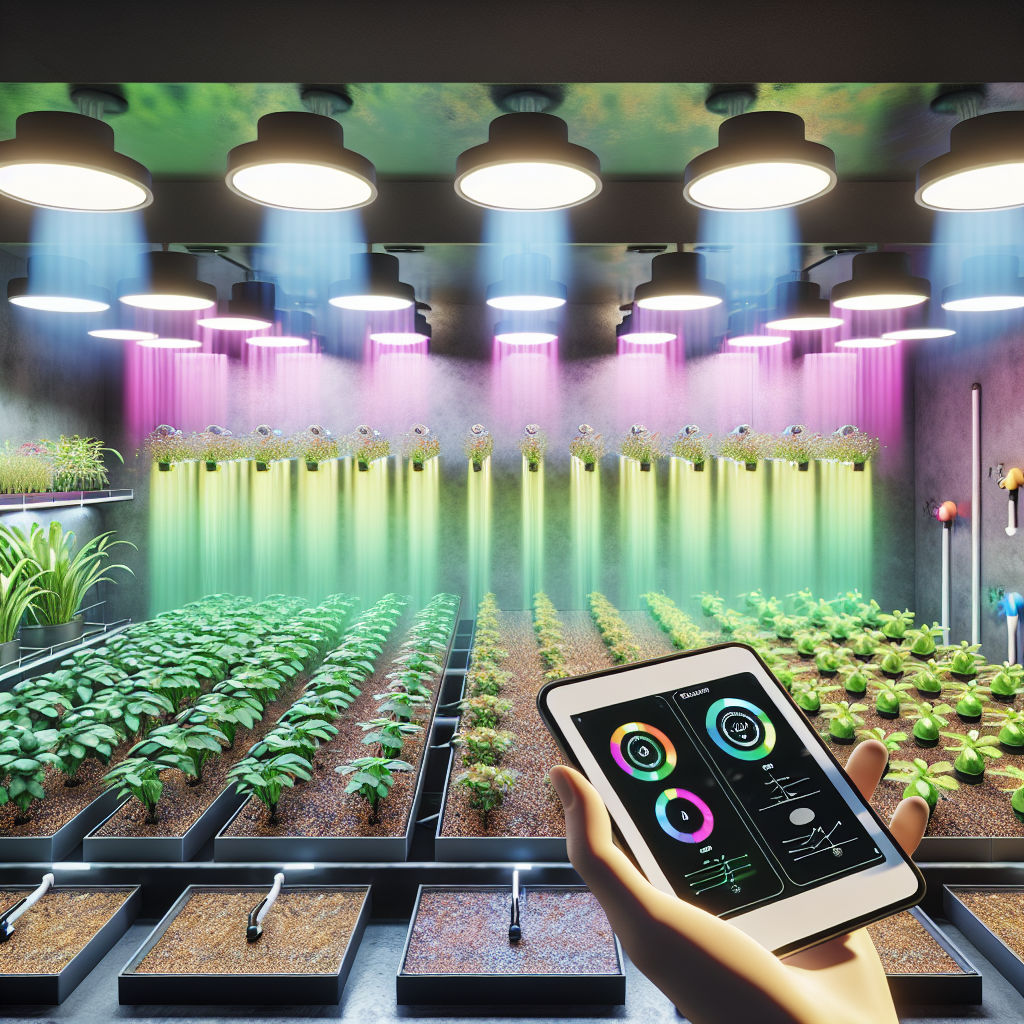
Modern AI-integrated controllers like those from GroLab and Agritecture work by combining real-time sensor data with machine learning models to automatically adjust critical grow room parameters. These include:
– Airflow & Ventilation: Optimal gas exchange is vital to fungal respiration and secondary metabolite synthesis. AI monitors fungal metabolism data and adjusts fan speeds or vent routes to maintain ideal oxygen and CO₂ ratios.
– Humidity Control: Different mushroom species require unique humidity profiles throughout their life cycles. AI systems can learn these patterns and predictively modify humidifiers and dehumidifiers to maintain the best conditions, reducing fungal desiccation and mold risk.
– Temperature Regulation: Environmental temperature impacts both mycelium proliferation and fruiting. AI-enabled systems take historical weather patterns into account and use predictive analytics to stabilize internal climates without wasted energy.
– Lighting Schedule Management: Light exposure influences circadian rhythms and fruiting signals in some species. AI can control LED wavelengths and timing to simulate artificial day/night cycles tailored to individual species’ needs.
Another key strength of AI cultivation is long-term data analysis. By tracking what conditions produce the highest levels of targeted bioactives, future grows can be fine-tuned for pharmaceutical use. This is especially important as an increasing number of studies look at mushrooms for treating mental health conditions like PTSD, depression, and anxiety.
A comprehensive review in Frontiers in Pharmacology emphasized the importance of precise psilocybin dosing in clinical trials for treatment-resistant mental disorders. Standardization made possible through AI environments helps ensure safety, purity, and efficacy at medical-grade levels—requirements for regulatory approval and medical integration.
Additionally, AI systems can be trained to detect early symptoms of crop disease or contamination by analyzing growth patterns or sensor readings, allowing for early intervention and loss prevention. Automated notifications, live dashboards, and remote control capabilities allow producers to manage facilities with minimal onsite staff while still scaling production efficiently.
Conclusion: Smart Cultivation for the Medicine of Tomorrow
AI-integrated environmental controllers are revolutionizing how we grow medicinal mushrooms. By automating vital parameters like humidity, light, airflow, and temperature, these systems deliver not only higher yields but reproducible, medicinal-grade consistency. As demand grows for psilocybin therapies and functional mushrooms, the ability to produce standardized, safe, and potent fungi becomes essential for both consumers and the medical field.
For both commercial growers and pharmaceutical researchers, smart cultivation is becoming an indispensable tool. It offers the promise of a scalable, sustainable, and medically precise future, where mushrooms can reliably be manufactured into approved treatments. In this future, AI is not just a convenience—it’s a cornerstone of fungal medicine.
Concise Summary
The integration of artificial intelligence into environmental control systems is revolutionizing the cultivation of medicinal mushrooms like psilocybin and Lion’s Mane. These AI-driven systems automate and optimize airflow, humidity, lighting, and temperature to enhance yields and ensure consistency of therapeutic compounds. By leveraging sensors, machine learning, and historical data, growers can create reproducible and contamination-free harvests, vital for both clinical research and commercial production. Companies like GroLab and Agritecture are leading this innovation, enabling standardized, high-quality mushrooms for medical applications. AI is now an essential technology in the scalable and sustainable production of mushroom-based therapeutics.
References
– Scientific Reports – Environmental optimization for enhanced psilocybin production in Psilocybe species
– Frontiers in Pharmacology – Review on psilocybin-assisted therapy for mental health conditions
– GroLab – Smart grow room automation and AI-integrated environmental controllers
– Agritecture – AI and data-driven solutions for modern agriculture

Dominic E. is a passionate filmmaker navigating the exciting intersection of art and science. By day, he delves into the complexities of the human body as a full-time medical writer, meticulously translating intricate medical concepts into accessible and engaging narratives. By night, he explores the boundless realm of cinematic storytelling, crafting narratives that evoke emotion and challenge perspectives. Film Student and Full-time Medical Writer for ContentVendor.com