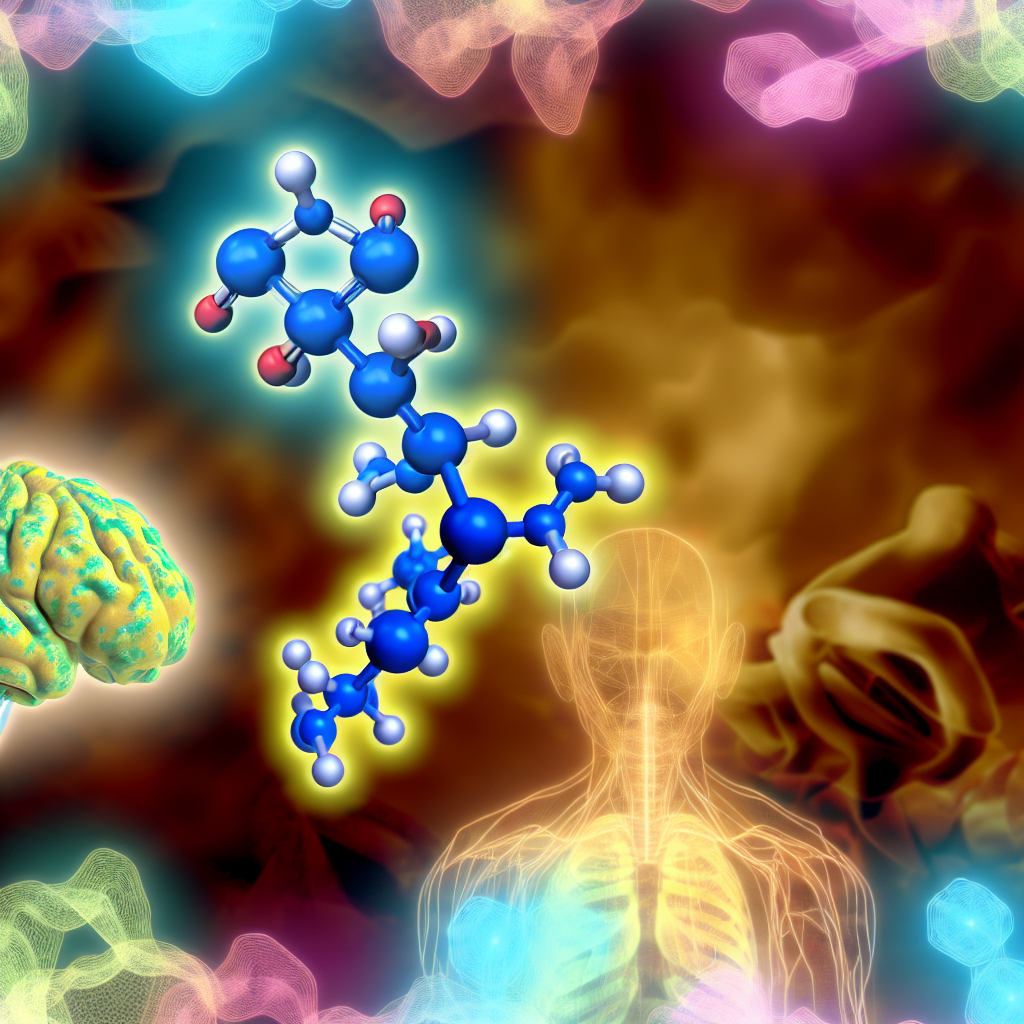
5-HT2A Receptor Polymorphisms and Individual Response to Psilocybin
Psilocybin, the psychoactive compound in magic mushrooms, has gained renewed scientific and clinical attention for its potential in treating depression, anxiety, PTSD, and end-of-life psychological distress. Central to its effects is its action on the 5-HT2A receptor, a subtype of the serotonin receptor located in regions like the cortex, critically involved in mood, perception, and cognition.
Recent studies show that natural genetic variations—called polymorphisms—in the gene encoding this receptor impact how individuals respond to psilocybin. These genetic differences can affect the receptor’s density, binding affinity, and signaling pathways, leading to variability in the intensity, quality, and duration of the psychedelic experience. For some, this may enhance therapeutic effects, while for others, it may result in blunted or adverse reactions.
As science advances toward precision psychiatry, personalized psychedelic therapy based on genetic profiling could soon become a reality. This approach may optimize patient outcomes, reduce side effects, and make treatments more accurate—heralding a new era of psychopharmacological care.
Medical and Scientific Studies on 5-HT2A Polymorphisms and Psilocybin Response
A key focus has been on two major single nucleotide polymorphisms (SNPs) in the 5-HT2A receptor gene (HTR2A):
rs6311 (-1438G/A)
This SNP affects transcriptional activity of the receptor gene. Individuals with the A allele tend to have altered receptor expression, which can influence the strength and depth of their response to psilocybin. Studies suggest that this variation may intensify or reduce serotonergic signaling—affecting both therapeutic outcomes and the occurrence of side effects like anxiety.
rs6313 (T102C)
This is a synonymous SNP, meaning it doesn’t change the amino acid itself, but it can still affect how well the receptor folds or its density in the brain. Interestingly, this variant is associated with psychiatric conditions like schizophrenia and depression, which are also key targets for psychedelic-assisted therapies. The presence of this SNP could therefore influence how psilocybin interacts with affected neural circuits.
A groundbreaking 2022 study conducted by the University of Basel highlighted the role of HTR2A polymorphisms in shaping the quality of psilocybin-induced “mystical-type” experiences, emotional openness, and cognitive flexibility. Individuals with certain allelic variations exhibited stronger shifts in mood regulation and introspective processing—core elements of psychedelic healing.
This builds on fMRI-based studies showing that the default mode network (DMN)—a brain system linked to internal dialogue and self-reflection—temporarily deactivates under psilocybin. Since the 5-HT2A receptor modulates activity within this network, genetic differences may determine how deeply ego dissolution and other altered states are experienced.
Further evidence from the Johns Hopkins Center for Psychedelic and Consciousness Research also supports the idea that biological variability, particularly in serotonin receptors, is pivotal for predicting therapeutic outcomes in clinical trials. This suggests that pre-treatment genetic screening could become routine in psychedelic treatment plans.
A 2023 review from Frontiers in Psychiatry emphasized the clinical relevance of these findings. It concluded that understanding serotonergic polymorphisms can minimize the risk of adverse side effects such as anxiety, paranoia, or psychosis—especially in vulnerable populations.
In addition, the implications for psilocybin microdosing are profound. Microdosing relies on subtle neurochemical shifts, and genetic differences that modulate receptor sensitivity or expression could make low doses either ineffective or surprisingly potent. This highlights the importance of a personalized approach even with sub-perceptual psychedelic use.
Conclusion
Understanding 5-HT2A receptor polymorphisms is critical to explaining the variability in people’s responses to psilocybin. This genetic insight marks a transformative step toward personalized psychedelic medicine, where treatment is tailored to a person’s unique biological makeup. With continued research, clinical application of these principles could ensure safer, more effective psychedelic-assisted therapies. Bridging genomics with plant-based medicine could soon make individualized mental health care a reality.
Concise Summary
Genetic variations in the 5-HT2A receptor gene influence how individuals respond to psilocybin, the key psychoactive compound in magic mushrooms. These genetic polymorphisms, such as rs6311 and rs6313, affect receptor expression and function, altering therapeutic efficacy and side effect profiles. Studies show that these differences can shape subjective experiences, such as ego dissolution or emotional breakthroughs, and may even impact the outcomes of microdosing. Personalized psychedelic treatment based on genetic screening represents a major step toward precision psychiatry. As research expands, individualized psilocybin therapies could help optimize results and minimize risks for those undergoing psychedelic-assisted treatment.
References
1. University of Basel Study on Psilocybin and Genetic Variation
2. Frontiers in Psychiatry – HTR2A Polymorphisms Review
3. Johns Hopkins Center for Psychedelic and Consciousness Research
4. The Role of 5-HT2A Receptors in the Action of Psychedelics – NCBI
5. fMRI and Default Mode Network in Psychedelic Experience
For ongoing updates, visit Shroomfan.com.

Dominic E. is a passionate filmmaker navigating the exciting intersection of art and science. By day, he delves into the complexities of the human body as a full-time medical writer, meticulously translating intricate medical concepts into accessible and engaging narratives. By night, he explores the boundless realm of cinematic storytelling, crafting narratives that evoke emotion and challenge perspectives. Film Student and Full-time Medical Writer for ContentVendor.com