Liposomal Delivery Systems for Psilocybin and Medicinal Mushroom Extracts
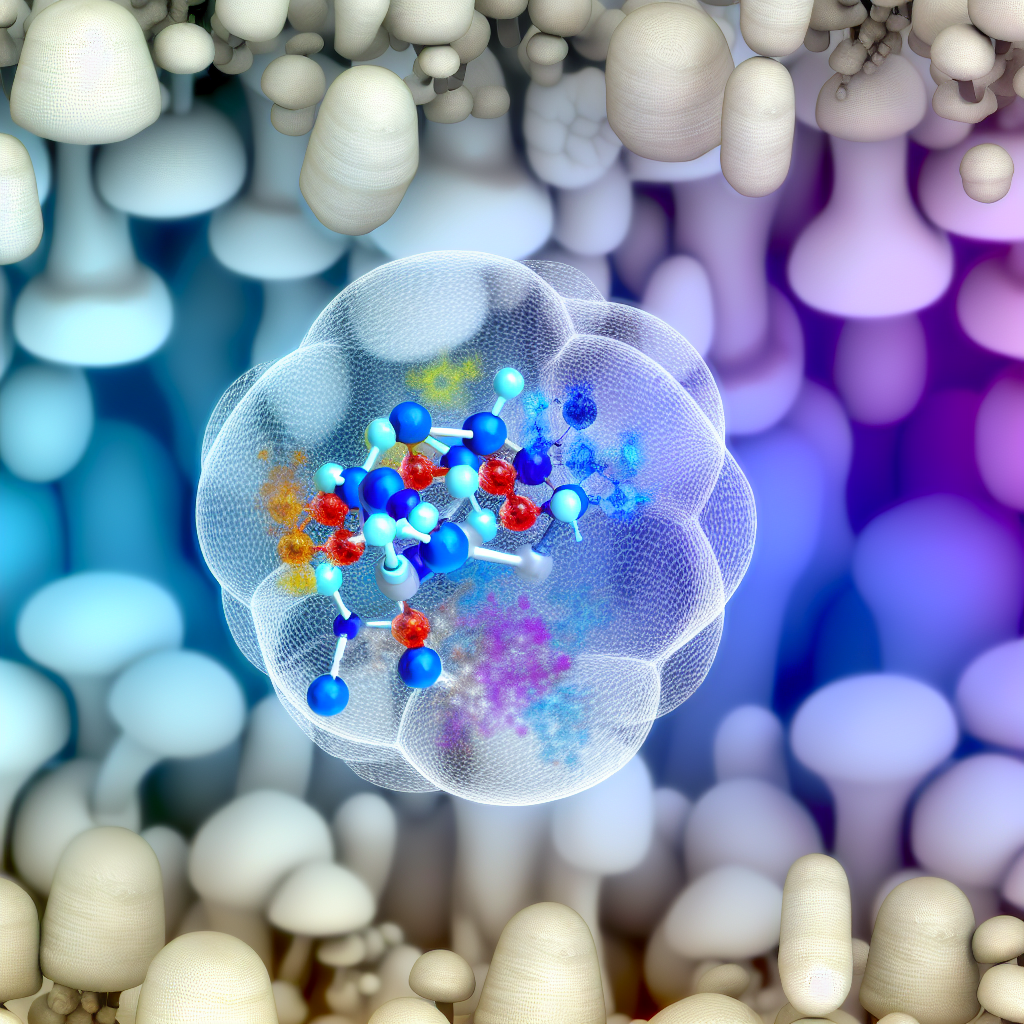
In the quest for enhancing the efficacy and bioavailability of **medicinal compounds**, **liposomal delivery systems** have emerged as a revolutionary advancement. This innovative approach is especially gaining traction in the realm of **psilocybin** and **medicinal mushroom extracts**. By encapsulating active compounds within **liposomes**—tiny, spherical vesicles with a lipid bilayer structure—researchers are unlocking new potential in therapeutic mushroom treatments.
Psilocybin, the psychoactive compound found in various mushrooms, and other **medicinal mushrooms** such as **Reishi**, **Lion’s Mane**, and **Cordyceps**, are renowned for their significant health benefits. These fungi are revered for their potential to enhance mental health, boost immunity, and combat various ailments. However, one of the biggest challenges with these compounds is their bioavailability—the rate and extent to which the active ingredients are absorbed and utilized in the body. Traditional methods of consumption can often lead to degradation and a reduced amount of active compounds reaching the bloodstream.
**Liposomal technology** addresses this challenge by encapsulating active compounds in liposomes, which are biocompatible and capable of protecting fragile ingredients from degradation by digestive enzymes. This encapsulation not only improves stability but significantly enhances the bioavailability of the compounds. Thus, more of the beneficial agents can enter the bloodstream and reach target sites within the body, amplifying their therapeutic effects. This method is particularly beneficial as it can transform how these **natural compounds** are utilized in **therapeutic settings**, offering more precise and potent effects.
The application of liposomal delivery systems in **medicinal mushrooms** is still a burgeoning field of research, but the promise it holds is substantial. By improving absorption rates, the potential benefits of **psilocybin** and other mushroom extracts can be maximized, offering a more efficient and effective therapeutic experience. As our understanding of these delivery systems grows, they may play a pivotal role in the mainstream acceptance and use of medicinal mushrooms and their primary psychoactive compounds.
Features
Several studies underscore the potential of **liposomal delivery systems** in enhancing the efficacy of psilocybin and medicinal mushroom extracts. A study published in the [*International Journal of Pharmaceutics*](https://www.sciencedirect.com/science/article/pii/S0378517321000339) explored the encapsulation of psilocybin in liposomes and found that it not only increased the stability of the compound but also improved its pharmacokinetics, allowing for a more controlled release.
Another study focused on the application of liposomal technology to enhance the absorption of bioactive compounds from **Reishi mushrooms**. The results highlighted that liposomal encapsulation significantly improved the bioavailability of **triterpenoids** and **polysaccharides**, the main medicinal components of Reishi mushrooms, when compared to non-encapsulated extracts ([PubMed](https://pubmed.ncbi.nlm.nih.gov/30567801/)).
Researchers are also examining the broader implications of liposomal delivery systems in neurotherapeutics. A study published in [*Frontiers in Pharmacology*](https://www.frontiersin.org/articles/10.3389/fphar.2020.00289/full) discussed how liposomal encapsulation might influence the delivery of nootropic compounds found in **Lion’s Mane mushroom**, potentially enhancing cognitive performance and neuroprotection.
The integration of liposomal delivery systems could transform how we perceive and utilize **natural compounds**. By improving delivery mechanisms, healthcare professionals can leverage lower doses with maintained efficacy, reducing potential side effects and making treatments more accessible. This approach not only contributes to the personalization of medicine, allowing more precise targeting of therapies, but also broadens the potential applications of mushrooms in medical treatments.
While the research is promising, it’s important to maintain a cautious optimism as more human trials are essential to fully validate these preliminary findings. Still, as these trials unfold, the evidence supporting the utility of liposomal delivery systems in enhancing the therapeutic potential of **psilocybin** and other medicinal mushroom extracts continues to grow.
Conclusion
**Liposomal delivery systems** present a promising frontier in the administration of psilocybin and medicinal mushroom extracts. By significantly enhancing the bioavailability and stability of these compounds, they hold the potential to revolutionize natural and psychedelic medicine. As research progresses, these systems may offer new avenues for more effective, safer, and personalized mushroom-based therapies, ultimately contributing to improved health outcomes and well-being.
**Concise Summary:**
Liposomal delivery systems offer a way to enhance the efficacy of psilocybin and medicinal mushroom extracts by improving their bioavailability. These systems protect compounds from degradation, allowing more of the active ingredients to enter the bloodstream and target specific areas. This advancement can lead to more efficient, personalized therapies with reduced side effects. While initial research is promising, more human trials are needed to validate these findings. If successful, these delivery systems could revolutionize the therapeutic use of natural and psychedelic compounds, paving the way for broader acceptance and application in medicine.

Dominic E. is a passionate filmmaker navigating the exciting intersection of art and science. By day, he delves into the complexities of the human body as a full-time medical writer, meticulously translating intricate medical concepts into accessible and engaging narratives. By night, he explores the boundless realm of cinematic storytelling, crafting narratives that evoke emotion and challenge perspectives. Film Student and Full-time Medical Writer for ContentVendor.com