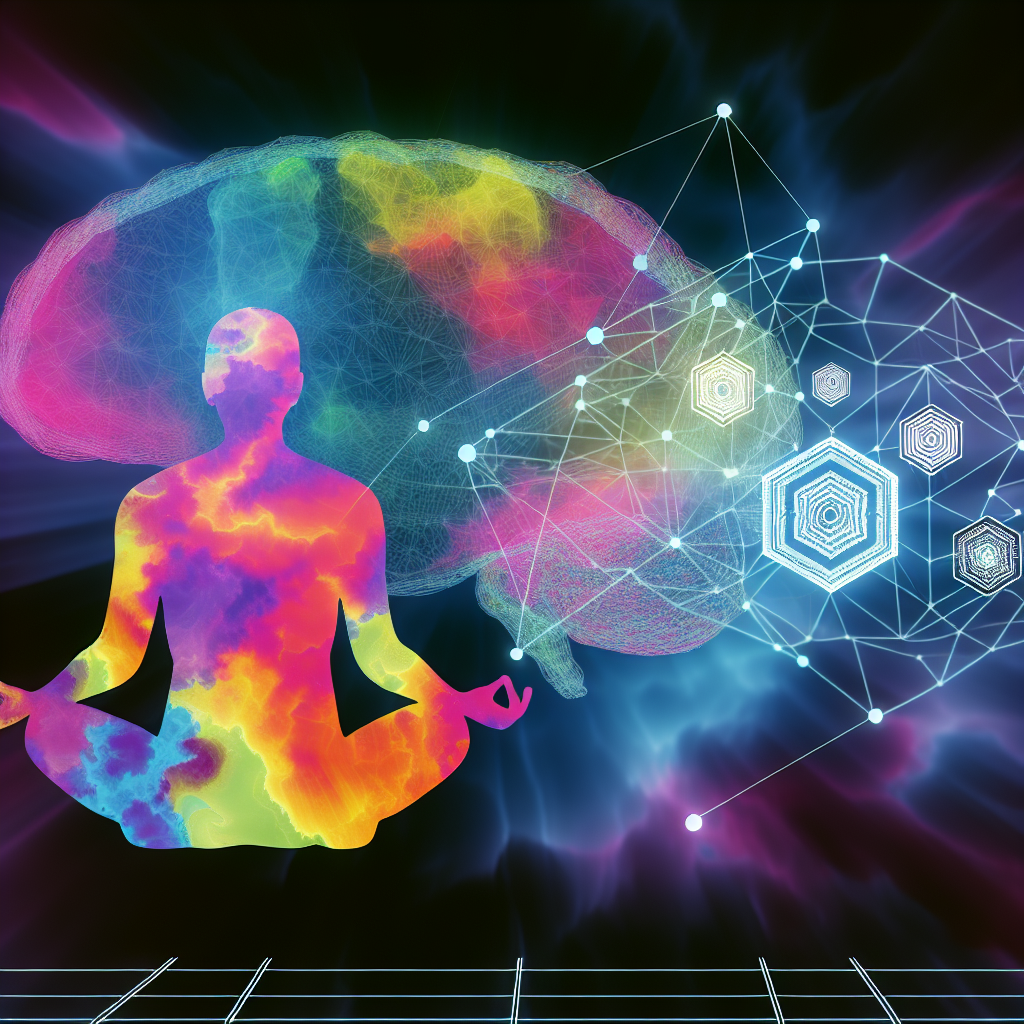
Advanced Integration Frameworks for Post-Psychedelic Experience Processing
Introduction
The resurgence of interest in psychedelic-assisted therapy, particularly involving psilocybin—the active compound in “magic mushrooms”—has prompted growing attention to the critical phase of integration following the psychedelic experience.
Psilocybin-assisted therapy has shown transformative outcomes in conditions such as depression, PTSD, anxiety, and substance use disorders. However, the psychedelic “trip” itself only initiates the healing journey—the true transformation takes place in the days, weeks, and even months that follow, during the integration phase.
Integration is the process of weaving insights, emotions, and realizations into lasting behavioral and psychological change. Without it, powerful experiences can fade into abstraction or manifest as confusion or emotional unrest. As a result, therapists and psychedelic researchers have innovated advanced integration frameworks—multidisciplinary models designed to facilitate deeper processing and personal growth.
These models now blend insights from neuroscience, psychotherapy, somatic practices, and mindfulness-based therapies. They offer individuals structured ways to examine and apply newfound awareness into real-life situations, from career changes to healing trauma or improving relationships.
Cutting-edge frameworks often include therapeutic tools such as cognitive-behavioral therapy (CBT), acceptance and commitment therapy (ACT), somatic experiencing, journaling, group therapy, and even digital integration platforms. These techniques are not isolated; rather, they are flexibly combined based on the individual’s mental health history and transformation goals.
The importance of high-quality integration cannot be overstated. Current research shows that the long-term benefits of psychedelic therapy—such as improved emotional well-being, behavioral change, and resilience—are strongly correlated with the depth and care given to the integration phase.
As psilocybin therapy nears potential FDA approval, offering clients evidence-based integration approaches will be essential. The following sections explore some of the most promising frameworks in practice today.
Key Features and Professional Studies Related to Integration Frameworks
A major development in modern integration frameworks is the seamless collaboration between traditional psychotherapy and psychedelic medicine. This interdisciplinary approach ensures psychological safety and enhances the retention of insights gained under altered states.
In a landmark 2021 study published in JAMA Psychiatry, patients undergoing psilocybin-assisted therapy for major depressive disorder showed significant, sustained improvement—but only when they received post-session integration therapy involving mindfulness and CBT components. Those without structured integration showed a decline in benefits over time.
One of the most influential approaches comes from the Multidisciplinary Association for Psychedelic Studies (MAPS). Originally designed for MDMA-assisted therapy to treat PTSD, MAPS’ integration framework combines talk therapy, somatic practices, self-reflection, and guided session reviews. These methods are now being customized for use with psilocybin, as both compounds promote intense neuroplasticity—ideal for installing long-term behavioral shifts.
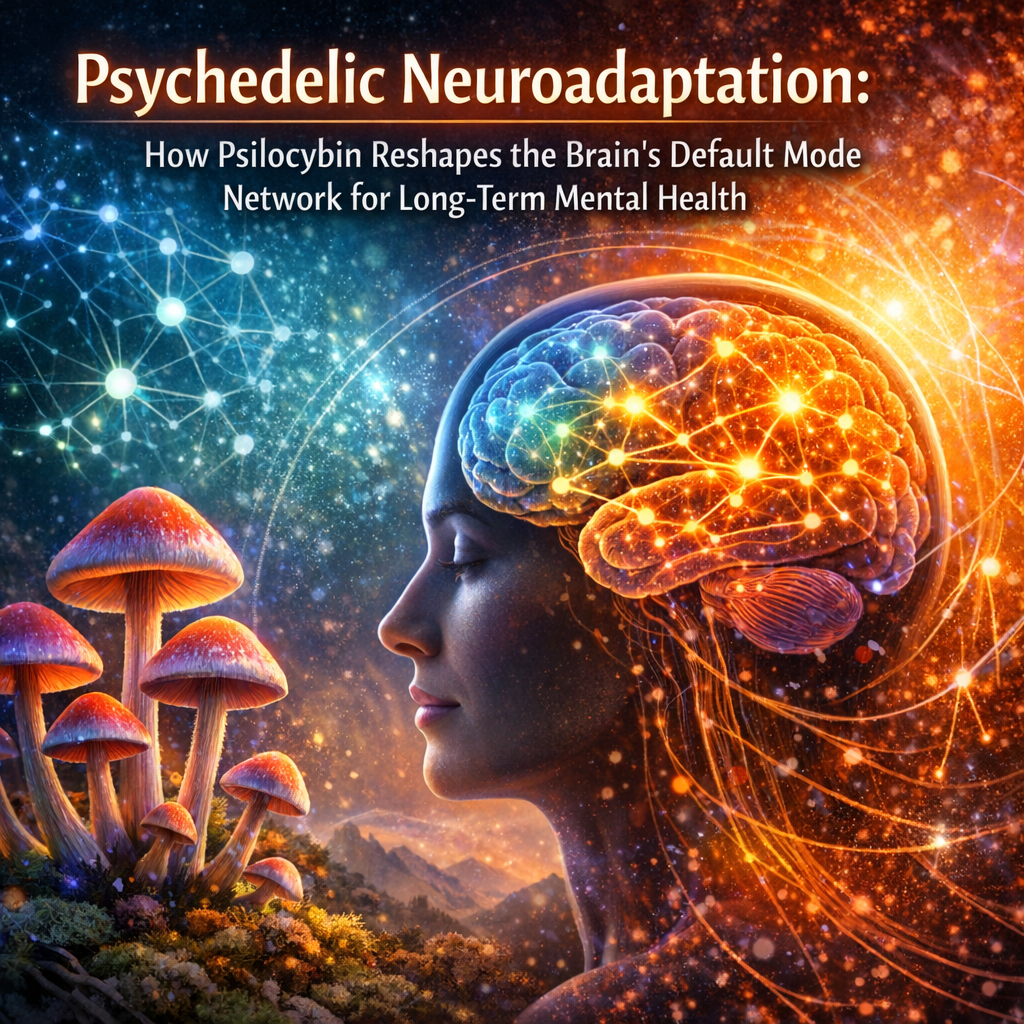
Additionally, brain imaging studies from the Psychedelic Research Centre at Imperial College London detail fascinating neural changes post-psilocybin, particularly in the default mode network (DMN)—a region linked to ego and self-referential thought. Their research shows that when integration therapy follows psychedelic treatment, changes in the DMN persist longer, indicating more profound transformation.
Then, there’s the role of somatic therapies like Somatic Experiencing and Internal Family Systems (IFS). These modalities help individuals anchor insights into physical awareness, exploring how emotions and spiritual breakthroughs manifest physically and relationally. According to a 2020 study in Frontiers in Psychiatry, combining somatic therapies with psychedelic integration led to marked improvements in emotional regulation, self-awareness, and addiction recovery outcomes.
Emerging tech also plays a key role. Mindbloom and Field Trip Health are creating digital tools for post-journey integration, such as in-app guided reflections, therapist-led video circles, and journaling prompts. These platforms extend access to therapeutic support beyond clinical environments and are especially valuable for underserved communities or those seeking ongoing, scalable care.
Conclusion
Advanced integration frameworks mark a pivotal shift in how we understand the full scope of healing through psychedelics. They turn brief glimpses of inner clarity or cosmic consciousness into themes, habits, and relationships that support long-term transformation. Through a hybrid use of psychotherapy, neuroscience, mindfulness, somatics, and technology, people can not only remember but embody their psychedelic journeys. Especially as psilocybin moves closer to regulated use, equipping practitioners with effective and measured integration strategies will be the linchpin of safe and sustainable therapeutic success.
Concise Summary
As interest in psychedelic therapies like psilocybin grows, integration—processing and applying insights post-experience—is emerging as a crucial phase in achieving long-term benefits. Advanced integration frameworks combine techniques from psychotherapy, somatic healing, mindfulness, and technology to help individuals turn psychedelic insights into transformative action. Studies show that structured integration significantly improves outcomes in treating depression, PTSD, and addiction. Organizations like MAPS and Imperial College London back these models with neuroscience and clinical data. With FDA approval of psilocybin on the horizon, integration strategies will define the effectiveness and ethics of psychedelic therapy going forward.
References
– JAMA Psychiatry – Effects of Psilocybin-Assisted Therapy on Major Depressive Disorder
– Multidisciplinary Association for Psychedelic Studies (MAPS)
– Imperial College Centre for Psychedelic Research
– Frontiers in Psychiatry – Psychedelics and Somatic Therapies: A Promising Synergy
– Mindbloom – Psychedelic Mental Health Platform

Dominic E. is a passionate filmmaker navigating the exciting intersection of art and science. By day, he delves into the complexities of the human body as a full-time medical writer, meticulously translating intricate medical concepts into accessible and engaging narratives. By night, he explores the boundless realm of cinematic storytelling, crafting narratives that evoke emotion and challenge perspectives. Film Student and Full-time Medical Writer for ContentVendor.com