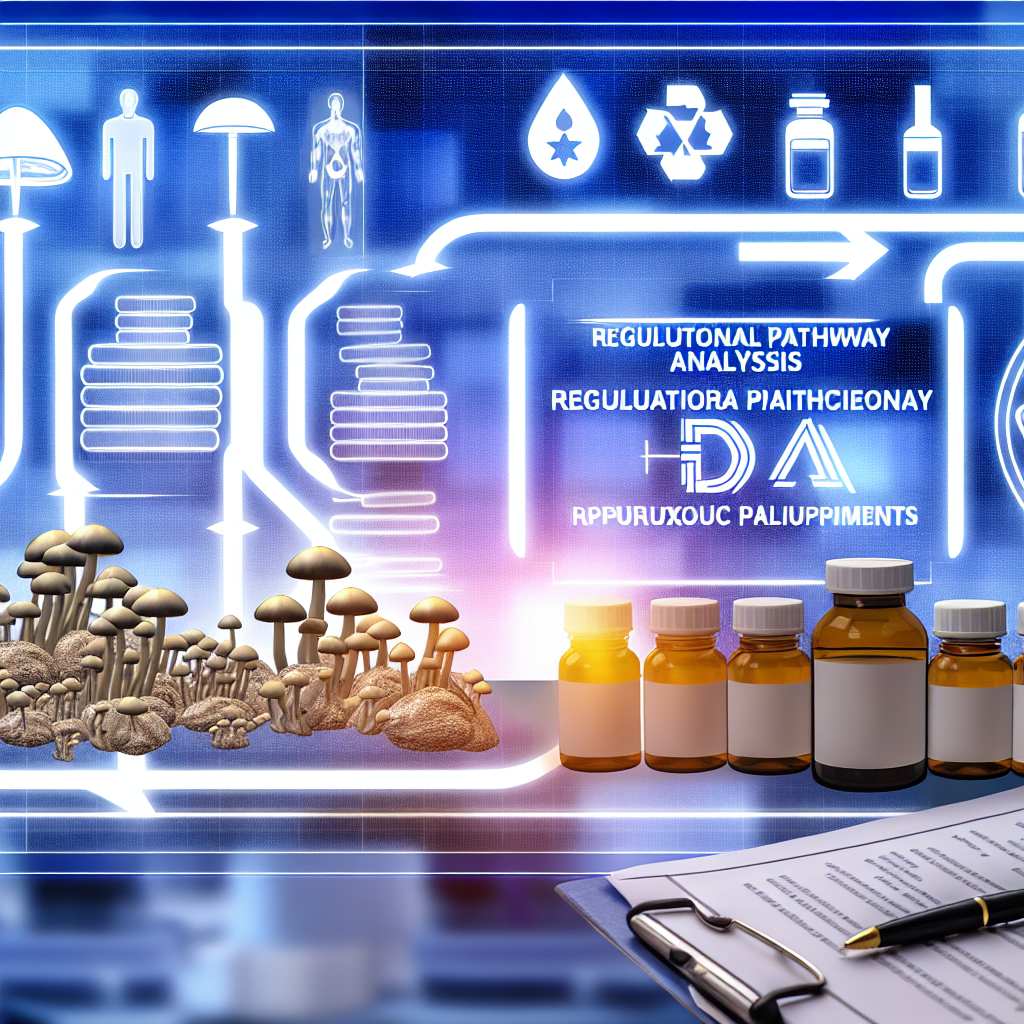
Regulatory Pathway Analysis for FDA Approval of Mushroom-Based Supplements
Introduction
As society increasingly seeks natural and holistic wellness solutions, mushroom-based supplements have emerged at the frontier of alternative medicine. Once synonymous with folk remedies, medicinal mushrooms like Reishi, Lion’s Mane, Turkey Tail, and psilocybin-containing fungi are now being reassessed through clinical frameworks to potentially graduate into the world of pharmaceuticals.
Currently, most mushroom supplements fall under the dietary supplement category, governed by the Dietary Supplement Health and Education Act of 1994 (DSHEA). This regulation allows products to be marketed without FDA approval, as long as they don’t claim to diagnose, treat, or prevent disease. However, rising public interest and mounting scientific evidence are signaling a potential shift toward FDA drug approval pathways.
For mushroom-based products aimed at treating or preventing specific conditions, transitioning from supplements to pharmaceuticals is becoming a practical goal. This shift demands extensive research, including randomized clinical trials, rigorous safety assessments, and eventual submission through a New Drug Application (NDA) with the FDA.
Understanding the FDA’s classification system is crucial. Companies exploring psilocybin-assisted therapies must enter through the FDA’s Investigational New Drug (IND) process, suitable for new pharmaceutical agents. Meanwhile, functional mushrooms lacking controlled substances—like Lion’s Mane and Reishi—tend to remain in the supplement category but may benefit from enhanced regulatory clarity to validate health claims.
A convergence is taking shape as researchers, policymakers, and advocacy groups push for pathways that merge plant and fungi-based medicine validation with the high standards of pharmaceutical development. One promising opportunity is through the FDA’s Botanical Drug Development Guidance, which could provide a route for complex, non-synthetic mushroom compositions to gain legitimacy.
These evolving frameworks have the potential to redefine mushroom-based therapies, offering consumers safe, effective, and FDA-compliant options.
Features: Clinical and Regulatory Insights
Across the last decade, multiple studies have transformed perceptions of medicinal mushrooms from mere folk remedies to clinically viable health interventions.
One of the most prominent developments is with psilocybin, the psychoactive compound found in magic mushrooms. Its designation as a Breakthrough Therapy by the FDA marks a groundbreaking advancement. This special status accelerates the evaluation process of treatments for conditions such as treatment-resistant depression and major depressive disorder, based on its superior performance compared to existing therapies.
Notable research includes a 2021 randomized controlled trial published in the New England Journal of Medicine that demonstrated psilocybin therapy’s ability to produce rapid and robust improvement in depressive symptoms. These developments are being explored by companies like Compass Pathways and the Usona Institute, with several ending Phase II and entering Phase III clinical trials.
Meanwhile, non-psychoactive mushrooms such as Lion’s Mane (Hericium erinaceus) are gaining attention for their neuroregenerative capabilities. A 2020 study in Biomedical Research showed significant stimulation of nerve growth factor (NGF), suggesting use in treating neurodegenerative diseases such as Alzheimer’s and dementia. However, while promising, many of these studies fall short of the rigorous standards required for pharmaceutical drug approval.
Within the current regulatory framework:
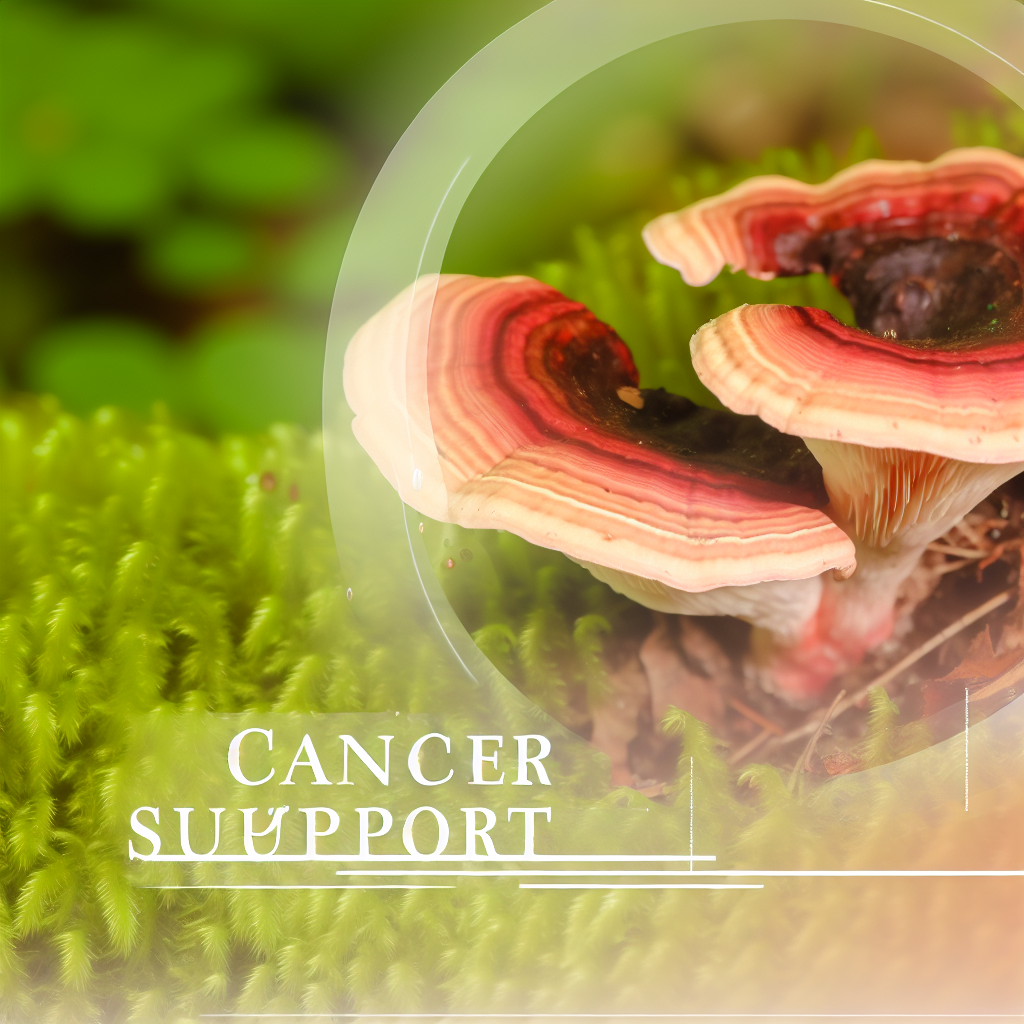
– Products like Reishi, Chaga, and Turkey Tail are sold under DSHEA rules and are not FDA-approved drugs.
– If companies begin making treatment claims—for example, for cancer or depression—their mushroom supplement could be reclassified as a “drug” under the Federal Food, Drug, and Cosmetic Act (FD&C Act).
– Adherence to Current Good Manufacturing Practices (cGMP) is mandatory, even for supplements.
– If a novel mushroom ingredient is introduced, manufacturers may need to submit a New Dietary Ingredient Notification (NDIN).
For mushroom-based drug development pathways, companies must follow comprehensive steps, including:
– Preclinical lab testing and toxicology
– IND submission
– Phases I–III of clinical trials
– NDA submission and review
The FDA’s Botanical Drug Guidance also allows for the unique evaluation of multi-compound natural products, a key factor for complex mushroom formulations that may not contain a single isolated active compound.
The growing momentum around psilocybin may act as a regulatory and scientific catalyst for the broader field of functional mushrooms, paving the way for immune-enhancing, anti-inflammatory, and cognitive health mushroom products to enter regulated pharmaceutical domains.
Conclusion
The regulatory pathway for mushroom-based supplements and drugs is dynamic and evolving. As demand for plant-based and fungi-derived therapies grows, so does the need for clear and accessible regulatory frameworks. Whether the route is via dietary supplement compliance or full FDA pharmaceutical approval, understanding the distinctions and requirements of each pathway is vital.
In particular, the progress of psilocybin-based treatments could open doors for other mushrooms to move beyond wellness aisles into clinics, offering evidence-backed alternatives to traditional pharmaceuticals.
As science and regulation increasingly intersect, the therapeutic future of mushrooms will rely on rigorous research, responsible production, and thoughtful policy adaptation.
References
1. Carhart-Harris, R.L., et al. (2021). Trial of Psilocybin versus Escitalopram for Depression. New England Journal of Medicine.
2. Nagai, T., et al. (2020). Neurotrophic factors in Hericium erinaceus: Impact on Nerve Growth and Cognitive Function. Biomedical Research.
3. U.S. Food & Drug Administration. (2023). Botanical Drug Development Guidance for Industry.
4. U.S. Food & Drug Administration. (2024). Investigational New Drug (IND) Application Process.
5. U.S. Food & Drug Administration. (2023). Dietary Supplements.
6. Compass Pathways. (2023). Clinical trials and research on psilocybin.
Concise Summary
Mushroom-based supplements are transitioning from wellness products to regulated medical treatments. While most currently fall under dietary supplement regulations, growing scientific support—particularly for psilocybin—has sparked interest in FDA drug approval pathways. Psilocybin has received Breakthrough Therapy status, while non-psychoactive mushrooms like Lion’s Mane show promise in nerve regeneration. Companies must navigate complex FDA structures, including IND and NDA processes, or follow botanical drug development guidelines. As regulation evolves, the integration of mushrooms into evidence-based medicine is increasingly likely, potentially transforming natural supplements into clinically validated pharmaceuticals.

Dominic E. is a passionate filmmaker navigating the exciting intersection of art and science. By day, he delves into the complexities of the human body as a full-time medical writer, meticulously translating intricate medical concepts into accessible and engaging narratives. By night, he explores the boundless realm of cinematic storytelling, crafting narratives that evoke emotion and challenge perspectives. Film Student and Full-time Medical Writer for ContentVendor.com