Novel Therapeutic Applications of Psilocybin for OCD and Eating Disorders
Introduction
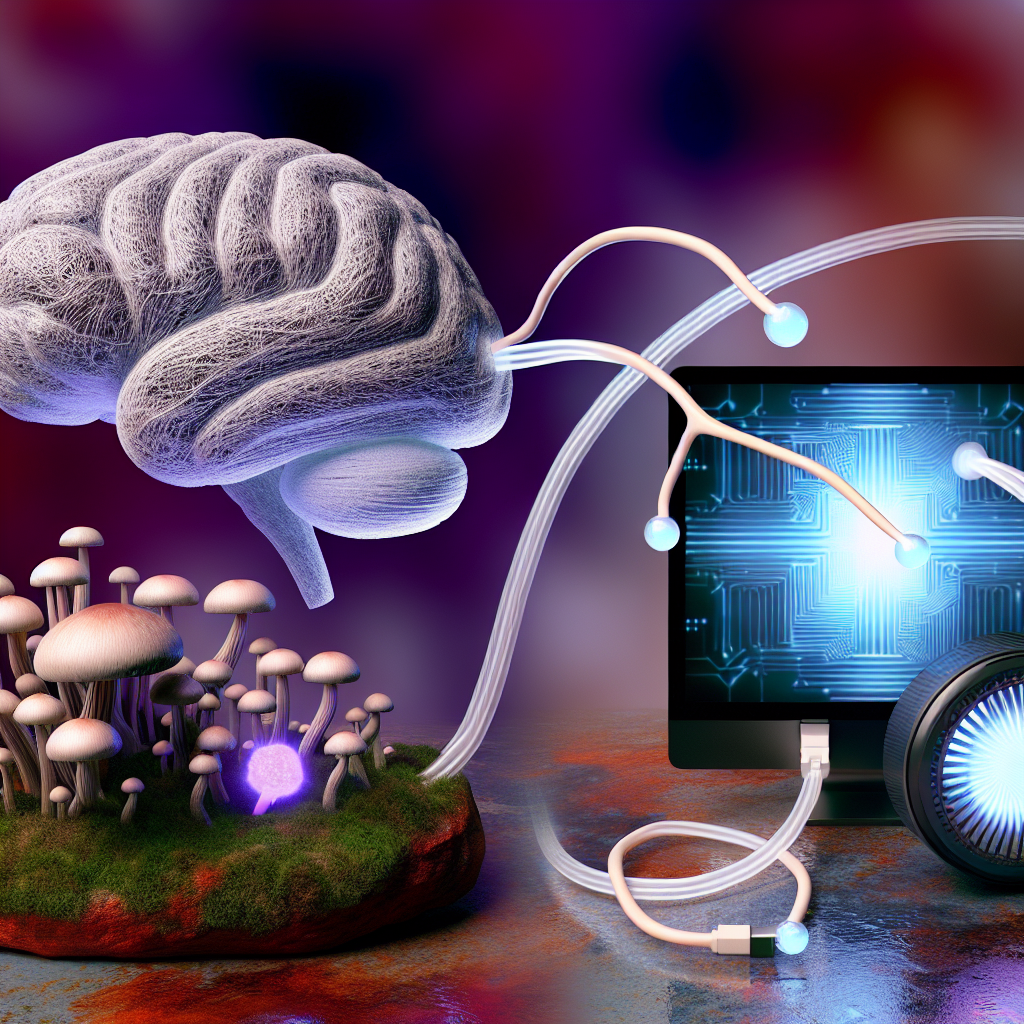
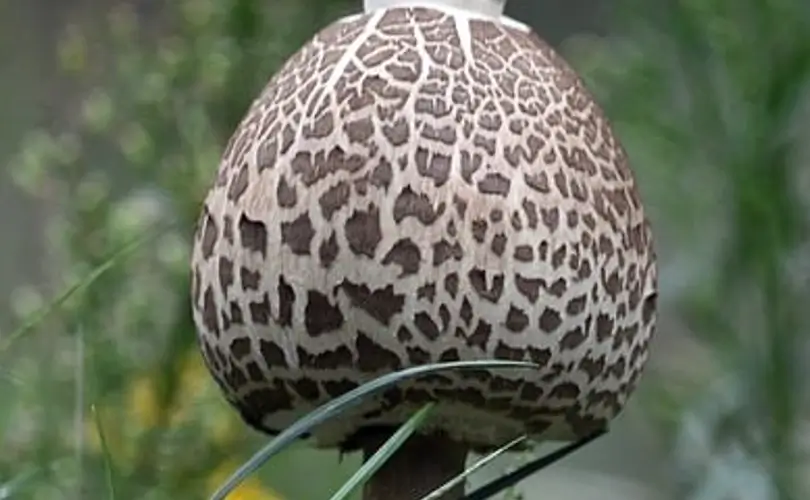
Psilocybin, the active psychoactive compound derived from certain species of psychedelic mushrooms, has emerged in recent years as a promising candidate in the field of mental health treatment. Though historically stigmatized and criminalized due to recreational use, recent scientific attention has shifted toward its potential healing properties in treating serious psychiatric conditions.
Mounting research now suggests that psilocybin may offer profound therapeutic breakthroughs, particularly for individuals with treatment-resistant mental health conditions such as Obsessive-Compulsive Disorder (OCD) and various eating disorders. These disorders are often resistant to traditional treatments like Cognitive Behavioral Therapy (CBT), Exposure Response Prevention (ERP), and pharmacological interventions such as SSRIs. Sufferers often deal with persistent emotional rigidity, compulsive behaviors, and intrusive thoughts—symptoms that psilocybin appears uniquely suited to address.
Psilocybin’s mechanism works primarily through interaction with the brain’s serotonin 2A receptor (5-HT2A), facilitating changes in emotional regulation and cognition. By “resetting” dysfunctional neural communication pathways, psilocybin treatment can encourage psychological flexibility, introspection, and a reduction in chronic rumination seen in both OCD and disordered eating patterns.
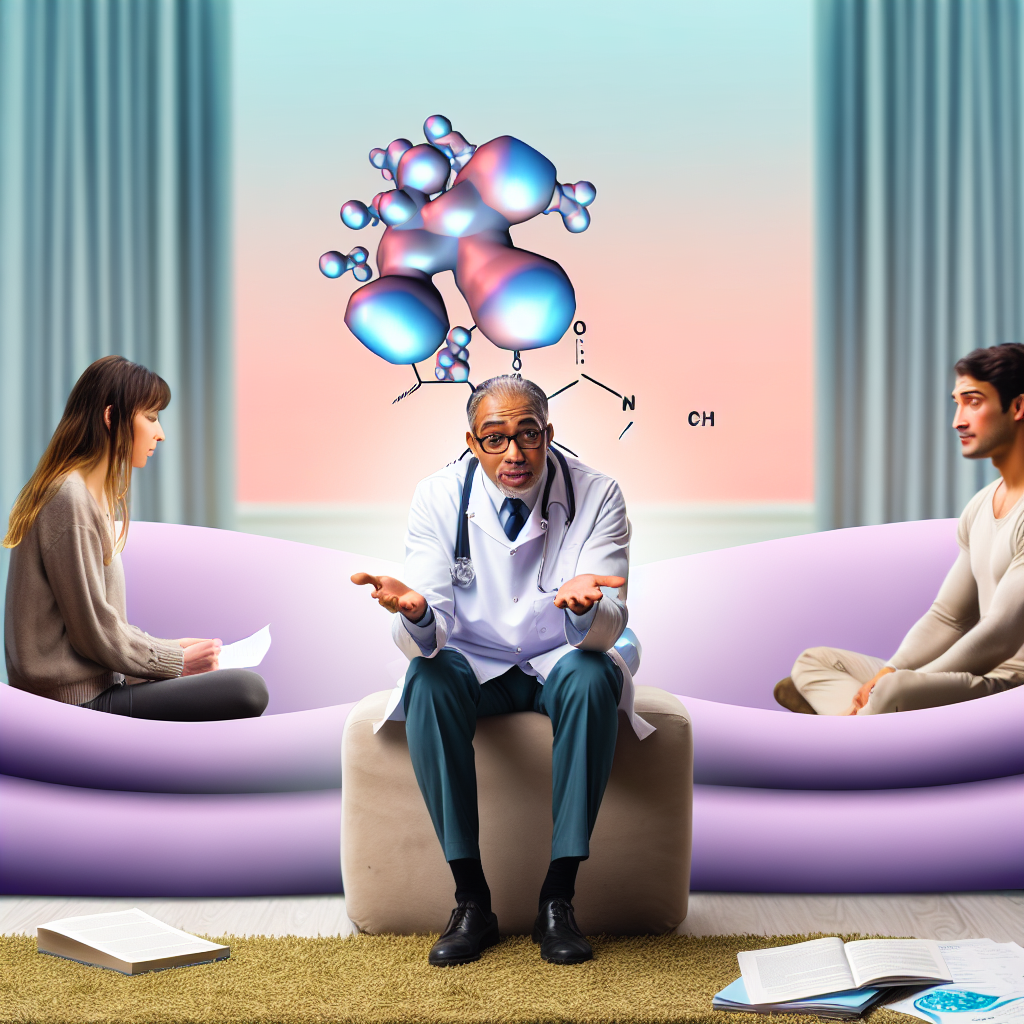
Unlike daily medications, psilocybin has shown therapeutic efficacy even with one or two carefully conducted sessions under professional supervision. These sessions typically occur in a structured therapeutic framework known as psychedelic-assisted psychotherapy (PAP). In this model, a controlled dose of psilocybin is paired with psychological guidance, helping patients safely explore and reframe entrenched behavior patterns or recurring emotional trauma.
As psilocybin approaches potential FDA Breakthrough Therapy designation for conditions such as depression and PTSD, its use is now being evaluated for disorders where treatment innovation has long stagnated. With pioneering clinical trials ongoing in both North America and Europe, researchers, clinicians, and patients are closely monitoring these developments. Novel compounds like psilocybin may represent a new chapter in the future of mental health care.
Clinical Evidence & Ongoing Research
A number of high-profile clinical studies are currently exploring psilocybin’s potential benefits for both OCD and eating disorders.
One foundational study by Moreno et al. (2006) at the University of Arizona investigated psilocybin’s effect on individuals with treatment-resistant OCD. During this small-scale, open-label pilot study, nine participants received varying doses of psilocybin. The results indicated a significant acute decrease in obsessive symptoms, with several participants experiencing continued improvement for weeks after treatment. While based on a small sample, this research established a precedent for future psilocybin trials targeting OCD.
Read the study
Building on this, the Yale Psilocybin Research Group is conducting a larger phase II randomized controlled trial focusing specifically on psilocybin-assisted therapy for OCD. This trial aims to strengthen earlier findings with more robust methodology and a larger patient population.
Turning to eating disorders, psilocybin is under active investigation for its use in treating anorexia nervosa, a disorder known for its complexity and dangerously high mortality rate. In 2020, Compass Pathways launched one of the first large-scale clinical trials aimed at examining psilocybin therapy in individuals suffering from anorexia. Participants in these studies frequently report an increased sense of body acceptance and reduction in compulsive food-related behaviors after guided psychedelic sessions.
Johns Hopkins University, a leading institution in psychedelic science, has also initiated research on the effectiveness of psilocybin in altering behaviors and perceptions related to eating disorders. According to Dr. Natalie Gukasyan of the Johns Hopkins Center for Psychedelic and Consciousness Research, participants often experience “transformational shifts” in how they perceive their body, their self-worth, and their emotional triggers. These insights, rarely accessed through conventional talk therapy, may help dismantle the cognitive rigidity inherent in eating disorders.
Neuroimaging data reinforces these subjective reports. Brain scans taken before and after psilocybin administration demonstrate significant changes in the Default Mode Network (DMN), a system in the brain that is frequently hyperactive in conditions like OCD and anorexia. Psilocybin appears to temporarily “quiet” this network, disrupting maladaptive self-referential loops, and allowing the brain to form new patterns of thought and emotional regulation.
Explore related neuroscience models from Carhart-Harris & Friston (2019).
While larger, double-blind trials are necessary to confirm long-term results, existing evidence suggests that psilocybin may function as a novel adjunct or even alternative to conventional psychiatric treatments. However, it remains critical that any psilocybin therapy adheres to well-developed ethical and safety protocols, including integration therapy and long-term support to help patients maintain their progress.
Conclusion
As research into psychedelic-assisted therapy advances and public perception continues to evolve, psilocybin presents itself as a promising therapeutic option for individuals suffering from Obsessive-Compulsive Disorder and eating disorders. Through its capacity to interrupt entrenched cognitive patterns and foster emotional breakthroughs, psilocybin may be uniquely positioned to address areas where standard treatment approaches have shown only limited efficacy.
Early clinical studies and neuroimaging findings are compelling, offering new hope to those who have exhausted conventional interventions. With ongoing trials, increasing institutional support, and likely upcoming regulatory approvals, the role of psilocybin in mental health care could soon be transformative. It is crucial for patients, providers, and policymakers to stay informed and open to the possibilities that these natural compounds could offer in reshaping psychiatric treatment paradigms.
References
1. Moreno FA, Wiegand CB, Taitano EK, Delgado PL. Safety, tolerability, and efficacy of psilocybin in 9 patients with obsessive-compulsive disorder. Journal of Clinical Psychiatry, 2006
2. Yale Psilocybin Research Group – Clinical Trials for OCD
3. Compass Pathways Psilocybin Clinical Trial for Anorexia Nervosa
4. Johns Hopkins Center for Psychedelic and Consciousness Research
5. Carhart-Harris RL, Friston KJ. REBUS and the Anarchic Brain: Toward a Unified Model of the Brain Action of Psychedelics. Pharmacological Reviews, 2019
6. Gukasyan N, Nayak S, Davis AK, et al. Psilocybin Treatment for Major Depression: A Randomized Clinical Trial. JAMA Psychiatry, 2022
Summary
Psilocybin, a psychoactive compound found in psychedelic mushrooms, is being studied as a transformative treatment for challenging mental health disorders such as OCD and anorexia. Its unique mechanism involving serotonin 2A receptors may allow patients to disrupt harmful cognitive patterns and increase emotional adaptability. Early studies from institutions like Yale and Johns Hopkins show promising results, with participants often reporting decreased symptoms and a renewed sense of body awareness. As FDA consideration advances and more rigorous trials emerge, psilocybin-assisted therapy may become a leading alternative for individuals unresponsive to conventional psychiatric treatments.

Dominic E. is a passionate filmmaker navigating the exciting intersection of art and science. By day, he delves into the complexities of the human body as a full-time medical writer, meticulously translating intricate medical concepts into accessible and engaging narratives. By night, he explores the boundless realm of cinematic storytelling, crafting narratives that evoke emotion and challenge perspectives. Film Student and Full-time Medical Writer for ContentVendor.com