Novel Therapeutic Applications of Psilocybin for OCD and Eating Disorders
Introduction
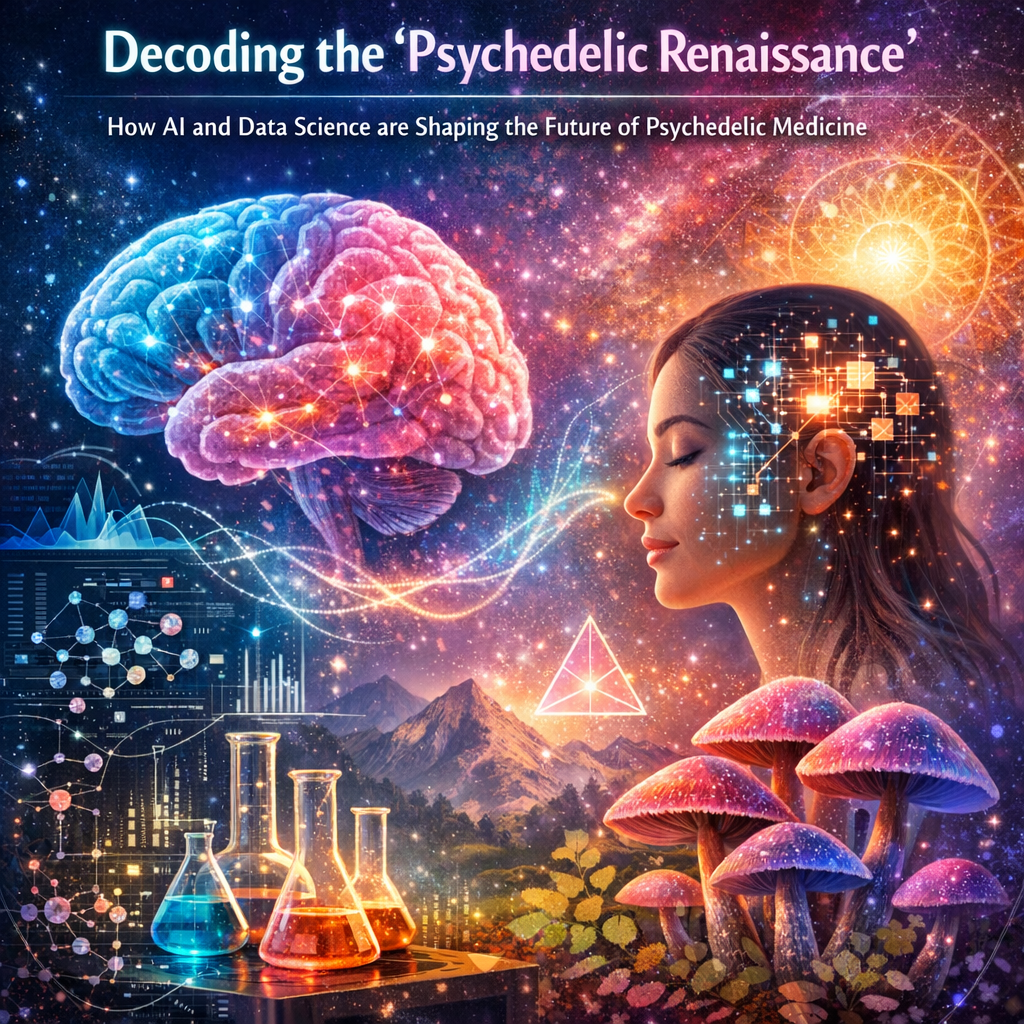
In recent years, psilocybin—the psychoactive compound found in “magic mushrooms”—has emerged from the shadows of social taboo into the spotlight of scientific and clinical research. Once primarily associated with psychedelic culture, psilocybin is now redefining its identity as a powerful therapeutic agent with broad implications for mental health treatment. Two disorders receiving increasing attention in this space are Obsessive-Compulsive Disorder (OCD) and Eating Disorders (EDs), both of which are notoriously difficult to treat using conventional methods.
OCD affects around 2.3% of the global population, characterized by intrusive thoughts (obsessions) and repetitive behaviors (compulsions) that can be debilitating. Standard treatments include selective serotonin reuptake inhibitors (SSRIs) and cognitive-behavioral therapy (CBT), yet a significant number of patients remain treatment-resistant.
Similarly, eating disorders such as anorexia nervosa, bulimia nervosa, and binge-eating disorder impact millions worldwide, often co-occurring with anxiety and depressive disorders. Despite high morbidity and mortality rates, effective pharmacological treatments remain limited.
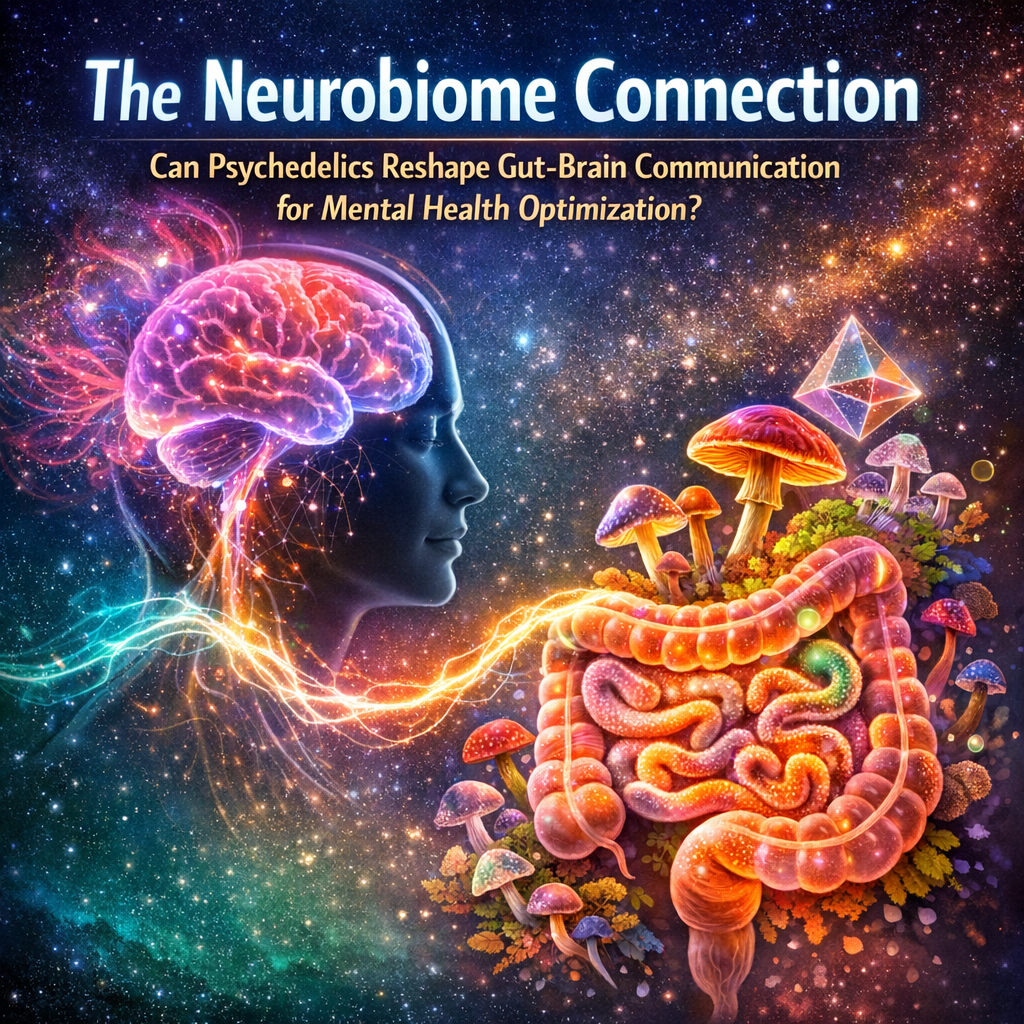
What sets psilocybin apart is its potential to promote neuroplasticity—the brain’s capacity to form new neural connections—and facilitate experiential breakthroughs. These properties are uniquely suited for addressing the rigid thought patterns that define both OCD and EDs. The guided psychedelic experience often enables individuals to reframe destructive patterns, achieve greater emotional insight, and develop self-compassion—crucial elements in lasting recovery.
Further, psilocybin interacts with the brain’s serotonin 5-HT2A receptors, affecting mood regulation, perception, and cognition. The rapid and sustained symptom relief reported in clinical trials marks an important shift in psychiatric treatment models. The FDA designating psilocybin as a “breakthrough therapy” for treatment-resistant depression has opened doors for broader clinical applications in adjacent disorders like OCD and EDs.
Clinical Evidence and Emerging Research
Scientific interest in psilocybin’s therapeutic uses has surged, especially with pioneering institutions like Johns Hopkins University and Imperial College London. Their studies have played a critical role in validating psilocybin’s potential to treat mental health conditions such as OCD and eating disorders.
A landmark pilot study by Moreno et al. (2006) at the University of Arizona evaluated psilocybin’s impact on nine individuals with treatment-resistant OCD. Doses were administered in a clinical setting, and results showed a rapid reduction in obsessive-compulsive symptoms—sometimes within hours. Despite its small sample size and lack of placebo control, the positive outcomes sparked further research avenues.
In the realm of anorexia nervosa, a groundbreaking open-label study launched by Imperial College London in 2021 has shown that psilocybin can promote significant psychological shifts. Participants experienced enhanced self-compassion, decreased obsessive thoughts around food, and a strengthened connection between mind and body—critical predictors of long-term recovery.
Adding to this body of evidence, Compass Pathways, a mental health company developing psilocybin-assisted therapies, reported significant symptom reductions in its Phase IIb clinical trial of COMP360—a proprietary synthetic psilocybin—for treatment-resistant depression. While not specific to OCD or EDs, the overlap in symptomatology suggests immediate translational value.
Neuroscience provides compelling evidence to support these outcomes. Psilocybin temporarily disrupts the brain’s default mode network (DMN), which is often hyperactive in individuals suffering from OCD and EDs. This disruption leads to increased neural connectivity and decreased rumination. fMRI scans post-treatment reveal significant and lasting neural changes linked to improved emotional regulation, insight, and decreased compulsivity.
Qualitative reports further affirm the psychological breakthroughs observed during therapy. Many patients describe the psilocybin experience as “life-changing” or “transformative,” expressing a deep sense of connectedness, forgiveness, and clarity. Importantly, treatments are conducted in controlled environments with licensed therapists, separating it from recreational use and ensuring both safety and efficacy.
Conclusion
As investigations into psilocybin therapy continue, its potential role in treating OCD and eating disorders becomes increasingly evident. The compound’s ability to induce neural flexibility, reset dysfunctional brain networks, and catalyze meaningful emotional experiences offers unprecedented promise for individuals struggling with persistent mental illness.
While more extensive and long-term studies are needed to cement its clinical efficacy, current data suggest psilocybin could become a cornerstone of future psychiatric treatment. The integration of science, therapy, and altered consciousness may redefine how we understand and treat mental distress—transforming suffering into opportunity for healing.
References
- Moreno FA, Wiegand CB – Psilocybin in OCD
- Imperial College London – Psilocybin for Anorexia Nervosa
- Compass Pathways – Phase IIb COMP360 Trials
- Carhart-Harris – fMRI mechanisms in depression
- Griffiths – Psilocybin and depression in cancer patients
Concise Summary
Psilocybin, the psychoactive component of magic mushrooms, is gaining ground as a powerful therapeutic option for treatment-resistant mental health conditions such as OCD and eating disorders. Unlike traditional therapies, psilocybin promotes neuroplasticity and experimental breakthroughs that allow patients to break free from rigid, harmful thought patterns. Early clinical studies show rapid symptom reduction, enhanced self-awareness, and increased emotional resilience. Supported by leading institutions and neuroscience data, psilocybin-assisted therapy could revolutionize psychiatric care through deeply meaningful, guided psychedelic experiences in safe clinical environments.

Dominic E. is a passionate filmmaker navigating the exciting intersection of art and science. By day, he delves into the complexities of the human body as a full-time medical writer, meticulously translating intricate medical concepts into accessible and engaging narratives. By night, he explores the boundless realm of cinematic storytelling, crafting narratives that evoke emotion and challenge perspectives. Film Student and Full-time Medical Writer for ContentVendor.com