Commercial-Scale Contamination Mitigation Protocols for Mushroom Farms
Introduction
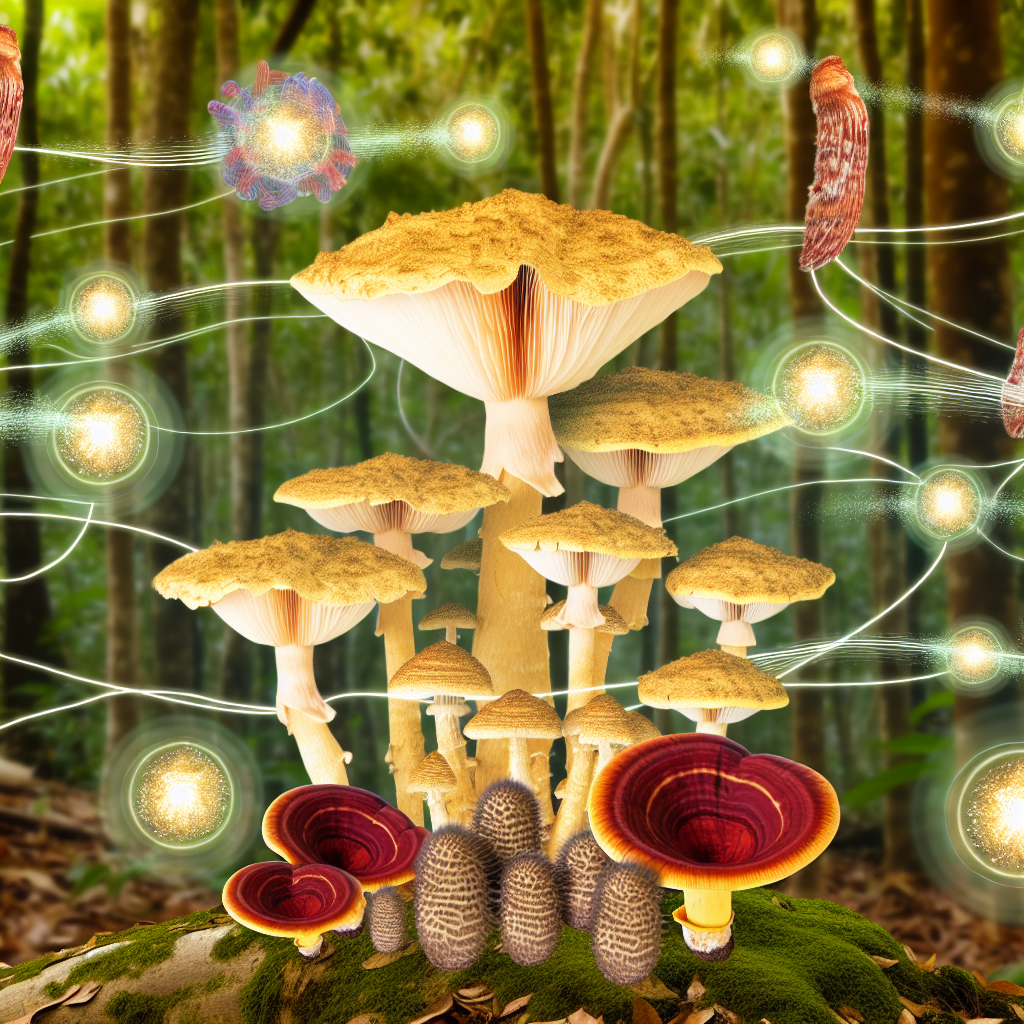
In recent years, the global commercial mushroom market has expanded rapidly, driven by increasing demand in both culinary and health sectors. Particularly, medicinal and functional mushrooms such as Psilocybe cubensis, Hericium erinaceus (Lion’s Mane), Ganoderma lucidum (Reishi), and Cordyceps militaris are now central to therapeutic applications in both mainstream and alternative medicine systems.
With this surge in demand, commercial mushroom farms have taken on an increasingly important role in supplying clean, uncontaminated biomass for supplements, extracts, and clinical research. However, contamination remains a major challenge, particularly in the industrial-scale production of these fungi. Mold species like Trichoderma spp., along with bacterial and wild fungal intrusions, can dramatically reduce crop yield, introduce harmful mycotoxins, and risk the safety and efficacy of the final product.
As operations scale up, contamination risks multiply. A single breach in a clean cultivation process can compromise entire batches. For medicinal mushroom farming, where purity and consistency are critical, contamination must be addressed through advanced biosecurity measures.
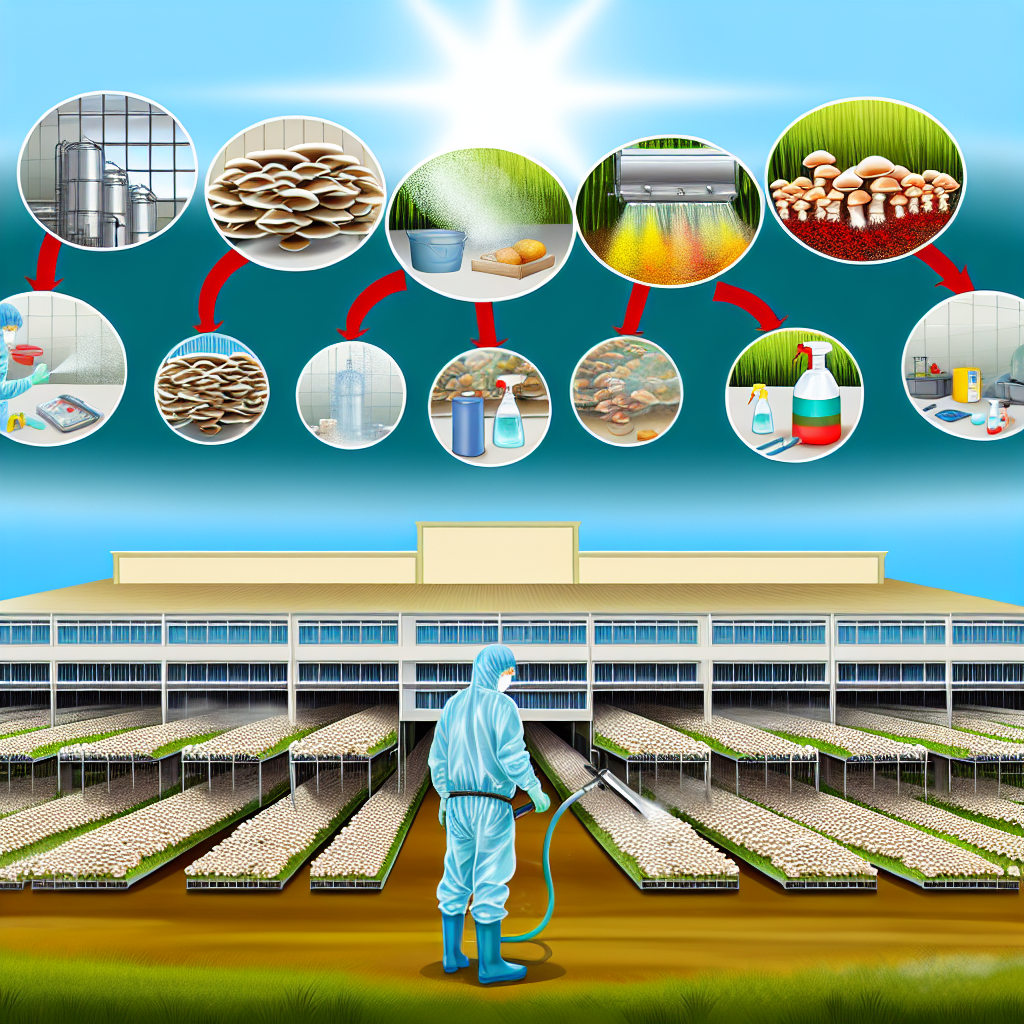
Essential control mechanisms include:
– Sterile lab conditions
– Air filtration
– Substrate sterilization
– Environmental monitoring
– Staff hygiene protocols
These are not merely sanitation procedures—they represent a scientific commitment to biological integrity, pharmaceutical GMP compliance, and public health safety. Additionally, by understanding the microbial ecology of both the substrate and surrounding environment, growers can proactively prevent contamination through predictive strategies.
Features and Relevant Medical Studies
Ensuring *contaminant-free mushroom production* is essential not only for operational efficiency but also for broader public health safety and the scientific credibility of mushroom-based therapeutics. Infections caused by molds like Trichoderma aggressivum and bacteria such as Bacillus subtilis often lead to full crop loss, especially in high-volume farms cultivating species like Agaricus bisporus and Ganoderma.
Advanced technological responses have emerged:
– A 2022 study in Fungal Biology Reviews reported that integration of HEPA filtration and the use of cleanroom environments can reduce contamination incidents by up to 87% during critical phases of mushroom growth.
– Microbiome technologies such as genetic sequencing now guide the introduction of beneficial bacteria into substrates. A 2020 study in Frontiers in Microbiology demonstrated a biological defense approach by adding Lactobacillus and Streptomyces strains. These probiotics inhibit pathogen growth and reduce the need for chemical agents.
– IoT technologies are reshaping contamination control. Sensor-based automation—outlined in a 2021 Journal of Agricultural and Food Chemistry review—enables real-time monitoring of humidity, CO₂, and temperature. These readings are processed by AI systems for predictive risk alerts.
– Sterilization techniques are also evolving. While autoclaving remains the industry gold standard, scalable solutions like hydrogen peroxide vaporization and ozone treatment are increasingly used. These methods, when validated with microbial testing, provide a sterile growing medium without leaving toxic residues.
– Human contamination remains a significant risk. A study by the Korea Mushroom Research Institute found that applying FDA Food Safety Modernization Act (FSMA) training protocols decreased incident rates by 42%. Measures such as sterile uniforms, glove usage, and air showers for workers entering clean zones are now considered best practices.
– Medicinal mushroom cultivation requires strict adherence to GMP and ISO 22000 standards. Ensuring that no synthetic agents or antibiotics remain in the final product is critical, especially for formulations targeted toward immunocompromised patients.
Emerging research continuously supports the layered integration of physical, chemical, and biological defense methods, enabling farms to scale sustainably without compromising product purity, therapeutic value, or safety.
Conclusion
As commercial mushroom farming begins to mirror the stringent standards of pharmaceutical production, the imperative for robust contamination control becomes even more essential. By merging environmental monitoring, sensor data, biocontrol practices, and certified hygiene protocols, farms can consistently yield high-quality, safe, and therapeutically potent mushrooms. These innovations not only safeguard crop yields but also bolster the credibility of mushroom-based natural medicines in regulated markets.
Concise Summary
Maintaining sterile growing environments is essential for commercial mushroom farms, especially those cultivating therapeutically valuable species. Contaminants like mold and bacteria threaten both yield and safety. Advanced methods including HEPA filtration, beneficial microbes, IoT sensors, and scalable sterilization technologies are proving effective. Scientific studies and regulations, like those from the FDA and GMP frameworks, highlight the role of strategic hygiene and monitoring in avoiding contamination. With medicinal mushrooms gaining global attention, contamination protocols must prioritize both product purity and patient safety for continued market growth.
References
– Fungal Biology Reviews – “Air Quality and Fungal Contamination in Indoor Mushroom Cultivation”
– Frontiers in Microbiology – “Microbiome Management in Functional Mushroom Cultivation: A Probiotic Approach”
– Journal of Agricultural and Food Chemistry – “The Smart Mushroom Farm: Automation and Sensor Integration for Fungal Contamination Control”
– Korea Mushroom Research Institute – “Impact of Food Safety Training on Reducing Contamination in Mushroom Harvesting”
– FDA Food Safety Modernization Act (FSMA) Guidelines

Dominic E. is a passionate filmmaker navigating the exciting intersection of art and science. By day, he delves into the complexities of the human body as a full-time medical writer, meticulously translating intricate medical concepts into accessible and engaging narratives. By night, he explores the boundless realm of cinematic storytelling, crafting narratives that evoke emotion and challenge perspectives. Film Student and Full-time Medical Writer for ContentVendor.com