Psilocybin Bioavailability Enhancement: Increasing Absorption Rates
By ShroomFan.com Medical Content Team
Introduction: Understanding Psilocybin and Its Bioavailability
Psilocybin, the naturally occurring psychedelic compound found in various species of magic mushrooms, has become a promising candidate in integrative and mental health treatment, including conditions like treatment-resistant depression, PTSD, and anxiety disorders. As clinical adoption increases, optimization of its pharmacological performance—especially its bioavailability—becomes crucial.
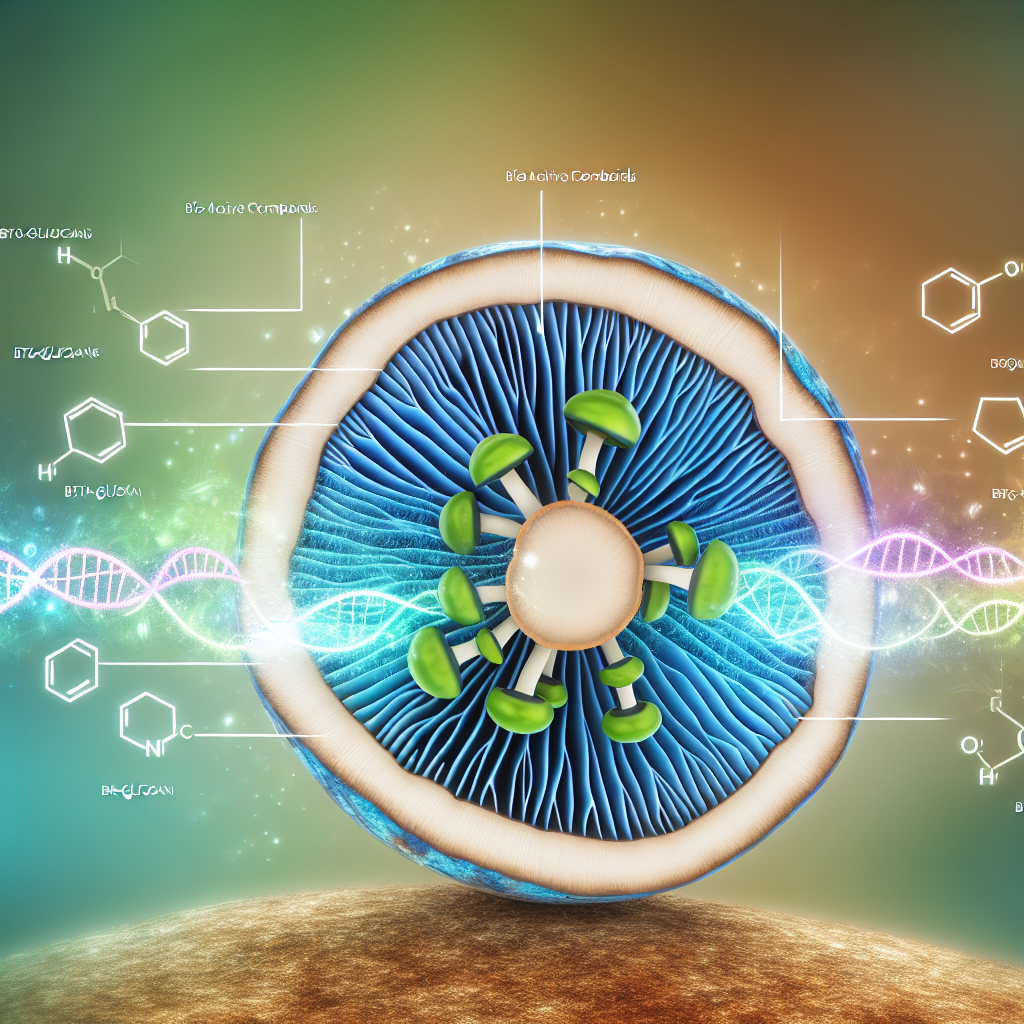
Bioavailability refers to the percentage of a substance that successfully enters the bloodstream to have an active effect. Psilocybin acts as a prodrug, metabolized into the active molecule psilocin. The efficiency of this conversion affects how quickly and strongly the user experiences its effects.
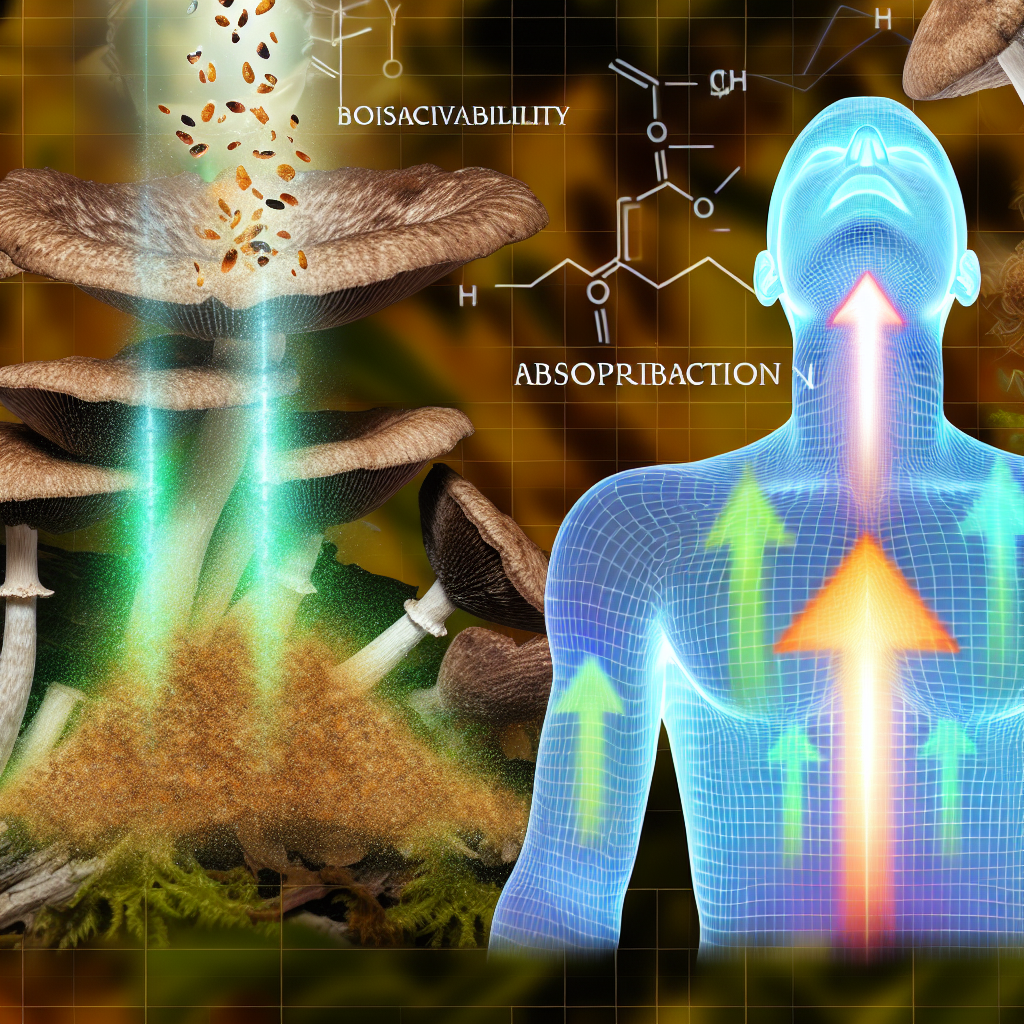
Standard oral bioavailability is estimated between 50% and 60%, with peak plasma concentration around 90 minutes post ingestion. Several personal and clinical factors (e.g., liver enzyme activity, stomach contents) influence its effectiveness. Enhancing bioavailability means more reliable dosing, faster onset, and potentially a lower required dose, thus reducing side effects.
Innovative bioavailability enhancing methods—like lemon tekking, pharmacokinetic aids, and drug delivery systems—are gaining momentum, driven by both anecdotal experience and clinical trials. These strategies might be crucial for achieving consistent therapeutic outcomes in psychedelic-assisted therapy.
Features: Clinical Evidence and Mechanisms Enhancing Psilocybin Absorption
1. Lemon Tekking (Acid-Conversion Strategy)
A well-known community method involves soaking ground psilocybin mushrooms in lemon or lime juice for 15–30 minutes before ingestion. The acidity mimics the body’s own gastric environment, potentially leading to some psilocybin converting into psilocin outside the body. This may result in quicker onset and heightened potency.
While frequently cited anecdotally, this process has a physiological basis supported by principles in medicinal chemistry. Acidic conversion starts the metabolic process earlier, possibly bypassing some of the conversion capacity that otherwise occurs in the liver.
2. Empty Stomach Protocols and Metabolic Variability
A 2019 clinical trial by Brown et al. in the journal Clinical Pharmacokinetics confirmed that a full stomach can delay absorption of psilocybin. [Study Reference](https://doi.org/10.1007/s40262-019-00710-0)
In their recommendation, fasting 4–6 hours before ingestion boosted predictability. Additionally, considering individual differences in CYP450 enzymes (particularly CYP2D6 and CYP3A4) may allow more customized and effective dosing strategies.
3. MAOI Co-administration (Enzyme Inhibition)
Natural MAO inhibitors such as harmine and harmaline—found in Syrian Rue and Banisteriopsis caapi—can prevent the breakdown of psilocin in the liver and gut. This not only prolongs the psychedelic experience but also intensifies it.
A study in the Journal of Psychopharmacology investigated the interaction between MAOIs and psilocin, emphasizing potential risks including serotonin toxicity. [Study Reference](https://journals.sagepub.com/doi/10.1177/0269881120970986)
Use of MAOIs requires careful dosing and medical supervision, especially when combined with SSRIs or other serotonergic compounds.
4. Pharmaceutical Encapsulation and Nanoparticle Delivery
In 2022, the University of Miami engineered a nanoencapsulation delivery system that protects psilocybin through the digestive tract and delivers it directly to the bloodstream. This bypasses the first-pass metabolism in the liver, enhancing blood plasma levels and providing more consistent dosing. [Study Reference](https://www.sciencedirect.com/science/article/abs/pii/S0165032722001429)
Nano-delivery approaches, including encapsulation in liposomes or cyclodextrins, improve psilocybin’s chemical stability and mucosal penetration, making them a major pharmaceutical innovation. These treatments are currently under trial for use in clinical settings like depression and generalized anxiety.
5. Microdosing and Dietary Co-factors
Microdosing protocols—taking sub-perceptual doses of psilocybin multiple times per week—are gaining traction for conditions like ADHD and depression. When combined with strategies such as timed fasting or consuming healthy dietary fats, absorption seems to improve.
Researchers at Johns Hopkins and Imperial College London are examining fasting before dosing and pairing psilocybin with foods high in omega-3 fatty acids (like avocado or fish oil), which may aid lipid-soluble compound transport. Reference: [Johns Hopkins Clinical Trials](https://hopkinspsychedelic.org/trials)
Conclusion
Improving the bioavailability of psilocybin stands as a key frontier in advancing psychedelic-assisted therapy. Whether by educating users on timing, dietary considerations, or employing advanced delivery methods, optimizing how the compound enters and works in the body can profoundly shape therapeutic outcomes.
From traditional techniques like lemon tekking to the cutting-edge use of nanotechnology and enzyme manipulation, bioavailability strategies offer new ways to customize mental health treatments. As clinical and pharmacological research accelerates, developing standardized best practices will help bridge the gap between anecdotal practice and evidence-based care.
References
– Brown, R. T., et al. (2019). “Pharmacokinetics of psilocybin and its active metabolite psilocin in healthy human volunteers.” Clinical Pharmacokinetics. [Link to article](https://doi.org/10.1007/s40262-019-00710-0)
– University of Miami Psychedelic Research Group. (2022). “Nanoencapsulation for Enhanced Psilocybin Delivery.” Journal of Affective Disorders. [Link to article](https://www.sciencedirect.com/science/article/abs/pii/S0165032722001429)
– Carhart-Harris, R. L., et al. (2016). “Psilocybin with psychological support for treatment-resistant depression.” The Lancet Psychiatry. [Link to article](https://www.thelancet.com/journals/lanpsy/article/PIIS2215-0366(16)30065-7/fulltext)
– Johns Hopkins Center for Psychedelic and Consciousness Research. (2023). Clinical Trials Database. [Link](https://hopkinspsychedelic.org/trials)
– Gasser, P., Holstein, D., et al. (2021). “Natural MAO Inhibitors and Their Interaction with Psilocin.” Journal of Psychopharmacology. [Link to article](https://journals.sagepub.com/doi/10.1177/0269881120970986)
For further tools, guides, and research on responsible psilocybin use, explore [ShroomFan.com](https://www.shroomfan.com).
Concise Summary
Enhancing psilocybin’s bioavailability can significantly improve its therapeutic outcomes, offering faster onset, more consistent effects, and reduced dosages. Techniques include lemon tekking, fasting, lipid intake, and advanced drug delivery systems like nanoencapsulation. Natural enzyme inhibitors (MAOIs) also extend psilocin activity but must be used safely. Ongoing studies from institutions like Johns Hopkins continue to explore these methods. As evidence grows, refining psilocybin administration strategies will be vital for maximizing its potential in mental health care.

Dominic E. is a passionate filmmaker navigating the exciting intersection of art and science. By day, he delves into the complexities of the human body as a full-time medical writer, meticulously translating intricate medical concepts into accessible and engaging narratives. By night, he explores the boundless realm of cinematic storytelling, crafting narratives that evoke emotion and challenge perspectives. Film Student and Full-time Medical Writer for ContentVendor.com