Psilocybin Microdosing for Creativity, Artistic and Problem-Solving Benefits
Introduction
In today’s world of accelerated innovation and self-optimization, many are exploring alternatives to traditional methods of enhancing human cognition and emotional resilience. One of the most intriguing developments is psilocybin microdosing—the practice of consuming sub-perceptual doses of the psychoactive compound found in “magic mushrooms.” These doses are too small to induce hallucinations but are reported to improve mental performance in subtle but impactful ways.
What distinguishes psilocybin microdosing from typical therapeutic or recreational use is its measured, minimalistic approach. A typical microdose ranges between 0.1 and 0.3 grams of dried mushrooms, taken every few days to prevent tolerance buildup. Users often follow structured schedules—such as the Fadiman protocol (every third day)—to maintain effectiveness and reduce risk.
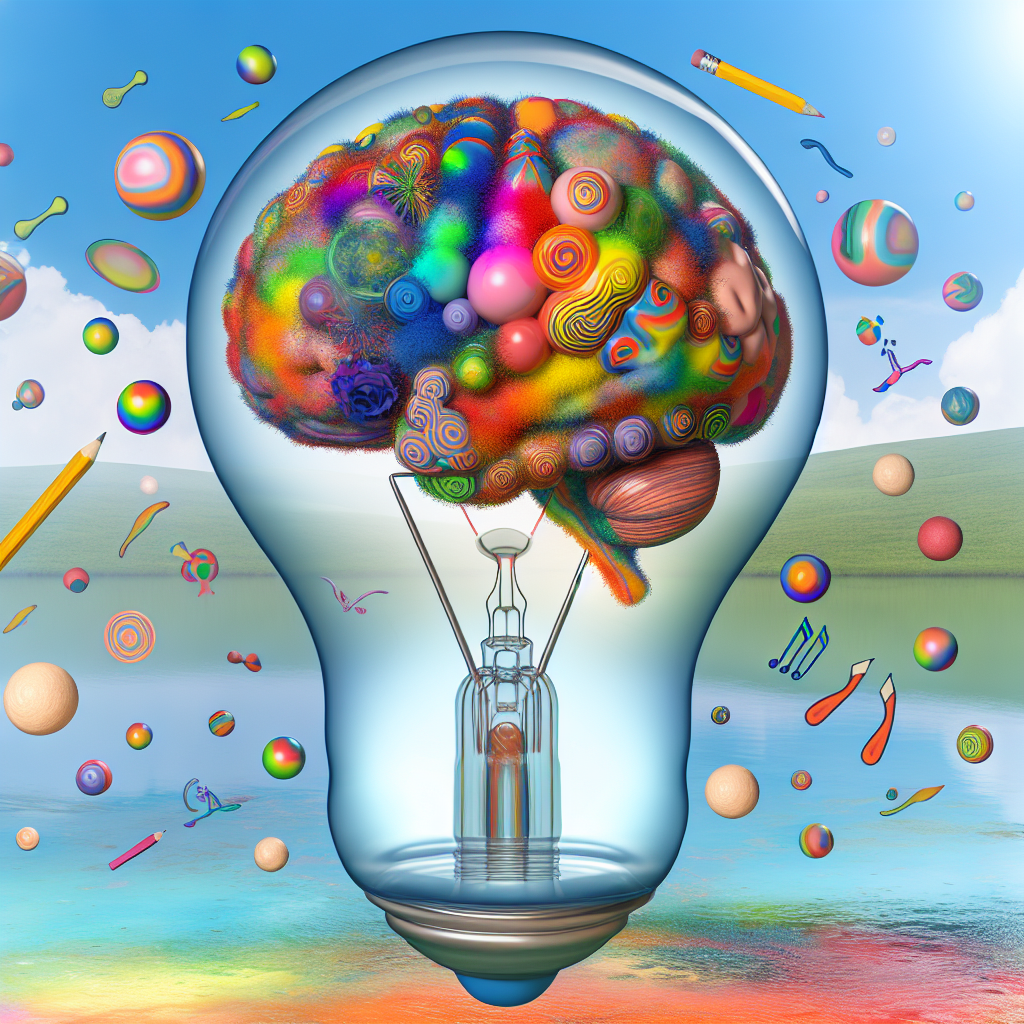
The areas of potential benefit are vast, but two key groups are leading the charge: professionals in high-stakes industries (like Silicon Valley tech gurus) and individuals in artistic spheres (writers, designers, musicians). Users in both camps report boosts in creativity, innovation, and emotional insight. These cognitive shifts have spurred a surge in popularity, despite regulatory ambiguity surrounding psychedelics.
Research suggests that psilocybin interacts with the default mode network (DMN)—a system of brain activity that governs self-referential thoughts and habitual thinking. By disrupting the DMN, psilocybin may create new neural connections, promoting fresh perspectives and alternative problem-solving frameworks.
The intersection of wellness, neuroscience, and productivity provides fertile ground for psilocybin microdosing to establish itself as a transformative tool for enhancing creative and cognitive capacities in a natural, non-disruptive way.
Features: Studies and Professional Insights on Creativity Enhancement
Scientific investigation into the cognitive benefits of psilocybin microdosing is still emerging, but preliminary findings and testimonials are promising.
One pivotal study, published in 2018 in the journal Psychopharmacology, found that psilocybin significantly improved both divergent thinking (creative ideation) and convergent thinking (focused problem-solving). These dual enhancements support a broad range of cognitive tasks—from artistic brainstorming to business strategy formulation ([source](https://link.springer.com/article/10.1007/s00213-018-5049-7)).
An important body of work has also come from the Beckley Foundation and Imperial College London, where researchers used fMRI brain scans to observe significant changes in neural function. They found that psilocybin relaxed fixed brain activity patterns, increasing connectivity across various brain regions. This led to a more fluid mental state—ideal for creative breakthroughs and innovative ideas.
Furthermore, a 2019 self-reported study published in the Journal of Psychopharmacology surveyed thousands of individuals who practiced psychedelic microdosing. Many consistently reported heightened creativity, better mood regulation, improved focus, and a reduction in anxiety—even in the absence of a controlled clinical setting. This makes microdosing increasingly popular among those seeking natural creativity boosters without disruptive side effects.
Artists, musicians, and writers in public forums and documentaries have echoed these outcomes. They’ve described a reduction in creative blocks, an increase in emotional expressiveness, and an effortless flow state during their work. Importantly, they report enhanced connection to their material and audience, which is not merely emotional—it is often described in cognitive terms, like improved insight and pattern recognition.
Neuroscientific research backs many of these subjective claims. A well-publicized 2016 study from Imperial College London demonstrated that psilocybin suppresses activity in the default mode network—a key neural hub tied to internal chatter and negative self-talk. By quieting this mental feedback loop, users report experiencing new ideas without the inhibiting voice of self-criticism.
Although most existing data are encouraging, researchers stress the need for more randomized, placebo-controlled trials to provide long-term safety profiles and efficacy metrics. Nevertheless, with both scientific trends and user testimonials aligned, it’s likely that we are just beginning to understand the scope of microdosing’s impact on cognitive function and creative output.
Conclusion
Psilocybin microdosing is becoming an increasingly viable option for individuals seeking a natural, targeted way to enhance creativity, emotional clarity, and cognitive flexibility. Backed by emerging scientific research and reinforced by widespread anecdotal acclaim, the promise of sub-perceptual psychedelics may reshape how we approach problems, develop ideas, and emotionally engage with our environments.
As the scientific community carries out more rigorous studies, it is likely that microdosing psilocybin could gain mainstream recognition—not just as a cognitive enhancer but as a foundational tool in professional and creative development. For artists, entrepreneurs, thinkers, and innovators, microdosing represents a gentle yet profound method to unlock new realms of inspiration and mental sharpness.
References
– [Psychopharmacology Journal Study on Divergent and Convergent Thinking (2018)](https://link.springer.com/article/10.1007/s00213-018-5049-7)
– [Beckley Foundation Research on Psilocybin and Brain Connectivity](https://www.beckleyfoundation.org/the-science/)
– [Journal of Psychopharmacology Microdosing User Survey (2019)](https://journals.sagepub.com/doi/full/10.1177/0269881119882933)
– [Nature (Scientific Reports) Study on Default Mode Network Disruption (2016)](https://www.nature.com/articles/s41598-019-51123-3)
Concise Summary
Psilocybin microdosing involves regularly taking very small amounts of “magic mushrooms” to stimulate creativity and problem-solving without hallucinations. Scientific studies and anecdotal reports indicate it enhances focus, divergent thinking, and emotional insight. By disrupting the brain’s default mode network, it may promote novel thoughts and ideas, making it particularly useful for artists, entrepreneurs, and professionals. Though more research is needed, early evidence supports its cognitive and creative benefits, potentially establishing microdosing as a natural tool for boosting human performance in everyday life.

Dominic E. is a passionate filmmaker navigating the exciting intersection of art and science. By day, he delves into the complexities of the human body as a full-time medical writer, meticulously translating intricate medical concepts into accessible and engaging narratives. By night, he explores the boundless realm of cinematic storytelling, crafting narratives that evoke emotion and challenge perspectives. Film Student and Full-time Medical Writer for ContentVendor.com