The Next Frontier in Medicine: How Psychedelics Could Change Neurological Disease Treatment Forever
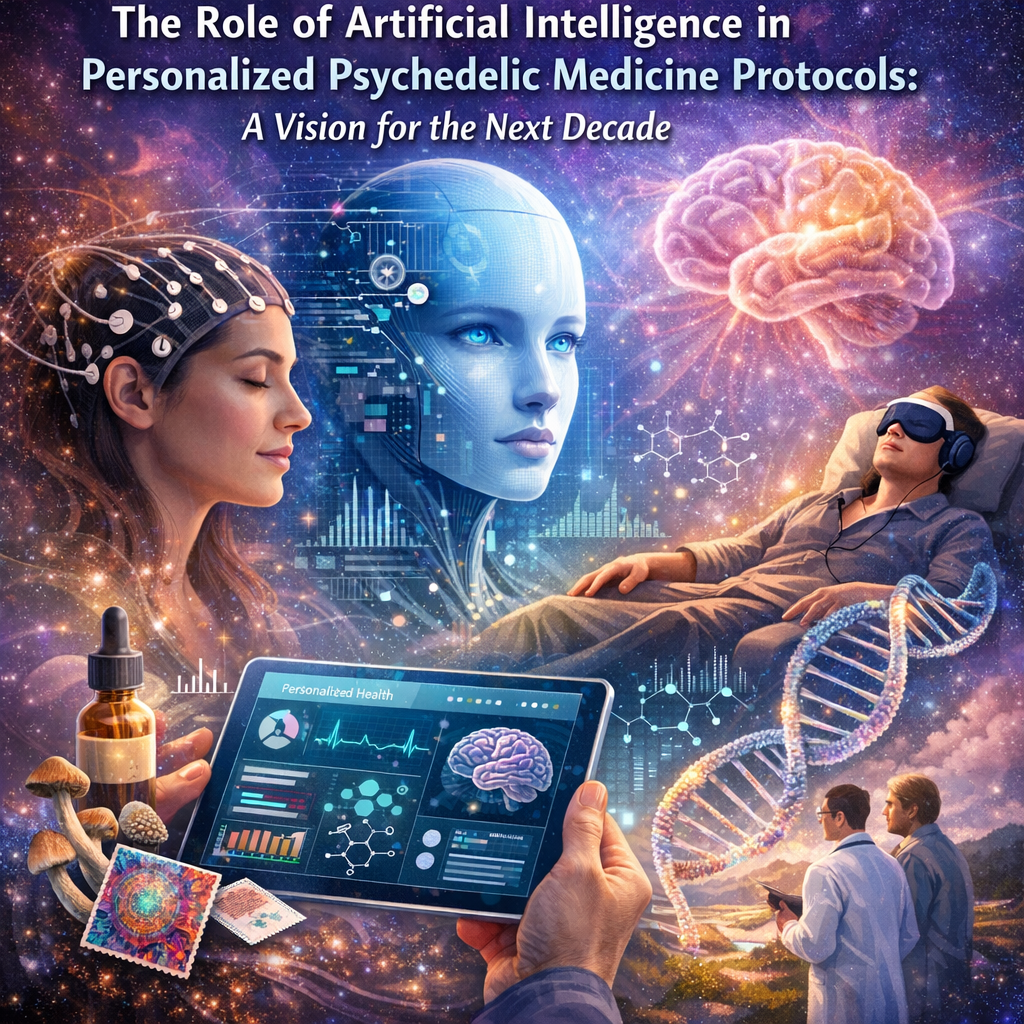
In the ever-evolving landscape of medicine, unconventional solutions often pave the way for groundbreaking treatments. Among these, **psychedelics** are becoming a focal point of interest, particularly in the realm of **neurological diseases**. Once dismissed for their hallucinogenic properties and largely overshadowed by societal stigma, substances like **psilocybin**—the active compound in “magic mushrooms”—are now stepping into the spotlight as potentially transformative medical tools. As researchers delve deeper into understanding the brain and its intricate web of connections, psychedelics are revealing themselves as not just mere substances of altered perception but as possible keys to treating a spectrum of neurological diseases.
At the forefront of this revolutionary approach is the potential of psychedelics to facilitate **neuroplasticity**—the brain’s ability to reorganize itself by forming new neural connections. Such plasticity is vital for recovery and adaptation in various neurological conditions, including depression, anxiety, PTSD, and neurodegenerative diseases like Parkinson’s and **Alzheimer’s**. Traditional treatments often focus on alleviating symptoms, but psychedelics propose a deeper form of healing by targeting the underlying neural circuitry. For instance, while conventional treatments may offer symptomatic relief, psychedelics could actually work to rewire dysfunctional brain networks, offering more enduring therapeutic outcomes.
The rising interest in psychedelics is not without merit. Modern neuroscience has provided insights that suggest these substances can instigate profound changes in brain chemistry that are both rapid and long-lasting. This opens the door to potentially alleviating the burden of diseases that have been long managed with medications that sometimes take weeks to effect change, often with significant side effects. Moreover, the use of psychedelics may reduce dependency on long-term medication, offering a solution with fewer side effects and more immediate relief.
Public opinion is gradually shifting as well, as clinical **trials** and **research** studies present promising results. Governments are beginning to reconsider the legal status of psychedelics, allowing for more comprehensive investigations into their therapeutic potential. Institutions such as [Johns Hopkins University](https://www.hopkinsmedicine.org/news/articles/at-hopkins-psilocybin-delivers-concept-once-seen-as-unattainable-speedy-relief-from-major-depression) and [Imperial College London](https://www.imperial.ac.uk/news/199093/psilocybin-reduces-brain-connections-depression/) are spearheading this research, contributing significant data and insights into how psychedelics function at a molecular level and their broader psychological effects.
The exploration of psychedelics as a medical treatment for neurological diseases represents not only the next frontier in neurology but also a reimagining of how we approach mental health and neurodegeneration. As the conversation evolves, it becomes increasingly clear that psychedelics could forever alter the landscape of neurological disease treatment, offering hope where traditional approaches have often reached their limits.
Scientific Features and Studies
Recent years have witnessed a surge in professional and medical studies examining the efficacy of psychedelics, particularly psilocybin, in treating neurological and psychiatric conditions. A landmark study conducted by researchers at Johns Hopkins University found significant reductions in major depressive disorder (**MDD**) symptoms in patients administered with psilocybin. This placebo-controlled trial demonstrated that the effects of a single psilocybin session were not only rapid but also sustained, lasting up to four weeks post-treatment. [Read more about the study here](https://www.hopkinsmedicine.org/news/articles/at-hopkins-psilocybin-delivers-concept-once-seen-as-unattainable-speedy-relief-from-major-depression).
Moreover, a study published by Imperial College London used brain-imaging technology to reveal how psilocybin affects brain activity. The findings demonstrated an increase in communication among brain networks that typically operate independently, suggesting a reintegration of networks that may have become decoupled in disease states such as depression and PTSD. [Learn more about the science behind these findings](https://www.imperial.ac.uk/news/199093/psilocybin-reduces-brain-connections-depression/).
Psychedelics have also shown potential in neurodegenerative diseases. In a preclinical study, low doses of psychedelics were found to stimulate the growth of dendritic spines—small protrusions from a neuron’s dendrite that typically shrink and are pruned back with age and disease, contributing to declining cognitive function. This suggests a role for psychedelics in enhancing brain plasticity, potentially delaying or reducing the impact of diseases such as Alzheimer’s and Parkinson’s. Such findings are gradually being recognized as a game-changer in how these diseases could be managed in the future.
Conclusion
The embracing of psychedelics in mainstream medicine represents a bold leap toward innovative and potentially life-altering treatments for neurological diseases. As research continues to substantiate their **efficacy** and safety, the promise of psychedelics like psilocybin to change the course of treatment offers new hope for patients and empowers healthcare providers with tools previously unimagined. The journey from shunned substances to therapeutic breakthroughs underscores the transformative power of open-minded exploration in the pursuit of healing and wellness.
**Concise Summary**: Psychedelics, once stigmatized, are gaining attention as potential transformative tools in treating neurological diseases. Research suggests that substances like psilocybin can facilitate neuroplasticity, offering not only symptomatic relief but also long-lasting modifications in brain chemistry. Institutions such as Johns Hopkins and Imperial College London are leading studies that reveal promising results, prompting a reevaluation of their legal status. As the field evolves, psychedelics could redefine approaches to conditions like depression, PTSD, Alzheimer’s, and Parkinson’s, offering new hope where traditional treatments are insufficient.

Dominic E. is a passionate filmmaker navigating the exciting intersection of art and science. By day, he delves into the complexities of the human body as a full-time medical writer, meticulously translating intricate medical concepts into accessible and engaging narratives. By night, he explores the boundless realm of cinematic storytelling, crafting narratives that evoke emotion and challenge perspectives. Film Student and Full-time Medical Writer for ContentVendor.com