From Cognitive Flexibility to Synaptic Density: Unpacking Psychedelics’ Role in Brain Health Rewiring
Introduction:
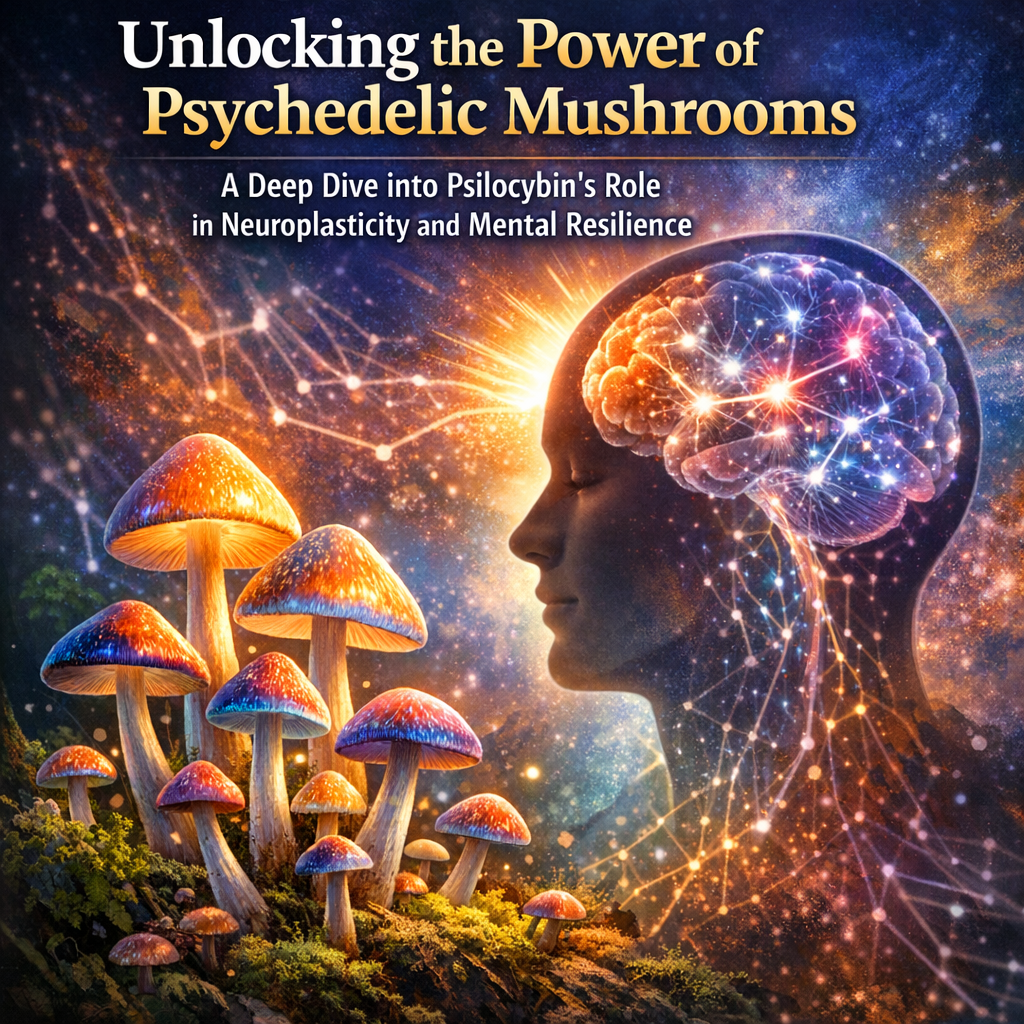
In recent years, both the scientific community and popular media have increasingly focused on the potential of **psychedelics** to promote **brain health**. **Psilocybin**, the active compound in magic mushrooms, has emerged as a focal point due to its intriguing effects on **cognition** and **neural architecture**. Historically, **psychedelics** were ensconced in controversy and stigma, predominantly due to their association with the counterculture movements of the 1960s. However, modern science is facilitating a renaissance in **psychedelics research**, revealing a multitude of prospective benefits that extend far beyond recreational use.
Our understanding of the human brain has evolved to a point where we can explore how substances like **psilocybin** may influence cognitive functions such as **learning**, **memory**, and **problem-solving**. These substances have been shown to enhance **cognitive flexibility**—the brain’s ability to adapt its thinking and behavior in response to new, unexpected, or changing events. A pressing question remains: How does **psilocybin** achieve such effects at a neurological level?
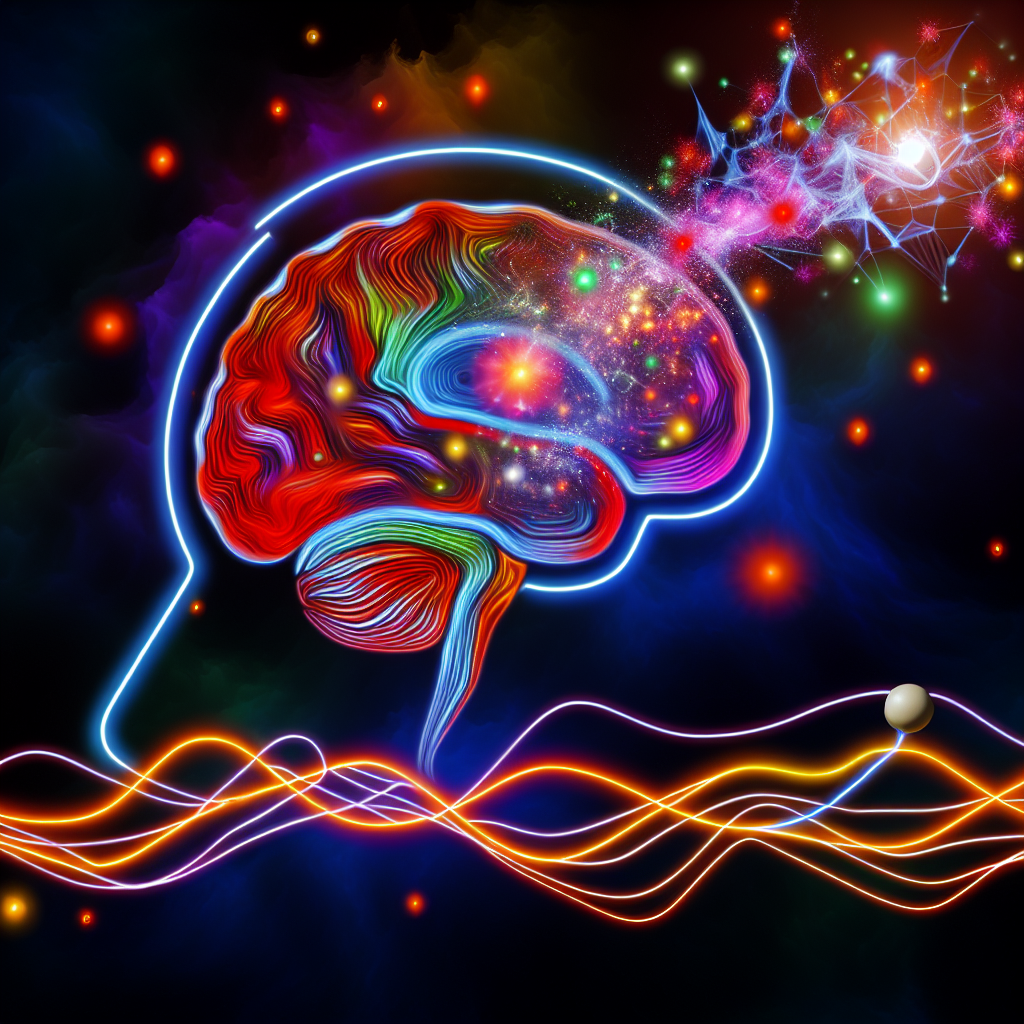
Recent studies suggest that **psychedelics** can facilitate the growth and increased density of **synapses**, the connectors that allow neurons to communicate. By enhancing **synaptic density**, **psychedelics** could theoretically improve the efficiency of neuronal networks, potentially leading to enhanced cognitive abilities and resilience against mental health disorders such as **depression**, **anxiety**, and **PTSD**.
Modern society is grappling with a mental health crisis, with millions experiencing conditions that don’t always respond well to traditional treatments. Consequently, there is an urgent demand for novel therapeutic strategies, and **psychedelics** like **psilocybin** present a promising opportunity. As research continues to unravel their therapeutic potential, understanding how these substances affect brain health at a cellular level could pave the way for innovative treatments that bolster both mental and cognitive wellbeing.
Features:
One standout study, published in the journal [*Cell Reports*](https://www.cell.com/cell-reports/fulltext/S2211-1247(21)00984-9), delves into the impact of **psilocybin** on **synaptic density**. Researchers provided evidence that **psilocybin** induced a significant increase in the density of dendritic spines, small protrusions on neurons involved in **synapse formation** and playing a vital role in **synaptic strength** and **plasticity** (Shao et al., 2021). This structural change has implications for boosting **cognitive flexibility** and information processing efficiency.
Further research by Carhart-Harris et al., published in the [*Journal of Psychopharmacology*](https://journals.sagepub.com/doi/10.1177/0269881110376629), investigated **psilocybin’s impact** on the **Default Mode Network** (DMN), a brain network associated with mind-wandering, self-referential thoughts, and the evaluation of past and future scenarios. Their findings suggest that **psilocybin** can temporarily disrupt the normal activity of the **DMN**, leading to reduced rumination in **depression** and potentially aiding cognitive restructuring. By disrupting these fixed patterns of thinking, **psychedelics** may allow people to break free from rigid thought loops and develop more adaptive and flexible cognitive strategies.
Additionally, a clinical trial conducted by researchers at [Johns Hopkins University](https://www.hopkinsmedicine.org/news/articles/hallucinogen-in-magic-mushrooms-relieves-anxiety-depression-in-cancer-patients) showed that **psilocybin-assisted therapy** has profound and sustained effects on reducing symptoms of **depression** and **anxiety** in patients with life-threatening cancer diagnoses. This randomized controlled trial observed considerable reductions in mood disorder symptoms, suggesting that **psilocybin’s modulation** of emotional and cognitive processes could provide relief where conventional treatments might fall short.
These studies form a compelling narrative that **psychedelics** like **psilocybin**, through their modulation of neural pathways and networks, have the potential to revitalize cognitive and emotional health. Their ability to influence **brain plasticity** and enhance **synaptic density** gives them a unique edge in the burgeoning field of psychedelic therapy.
Conclusion:
As our understanding of **psychedelics** deepens, so does our grasp of their remarkable potential to recalibrate brain function and improve mental health outcomes. While more research is warranted to unveil the complete spectrum of **psilocybin’s effects**, the evidence thus far is promising. **Psychedelics** represent a frontier in neuroscience that could lead to groundbreaking therapies, offering hope to those seeking alternative solutions for cognitive and emotional restoration.
References:
– Shao, L.-X., Liao, C., Gregg, I., et al. (2021). “Psilocybin induces rapid and persistent growth of dendritic spines in frontal cortex in vivo.” *Cell Reports.* Retrieved from [Cell.com](https://www.cell.com/cell-reports/fulltext/S2211-1247(21)00984-9).
– Carhart-Harris, R.L., Erritzoe, D., Williams, T., et al. (2012). “Neural correlates of the psychedelic state as determined by fMRI studies with psilocybin.” *Journal of Psychopharmacology.* Retrieved from [SAGE Journals](https://journals.sagepub.com/doi/10.1177/0269881110376629).
– “Hallucinogen in magic mushrooms relieves anxiety, depression in cancer patients.” (2016). *Hopkins Medicine.* Retrieved from [Hopkins Medicine](https://www.hopkinsmedicine.org/news/articles/hallucinogen-in-magic-mushrooms-relieves-anxiety-depression-in-cancer-patients).
Concise Summary:
Psychedelics like **psilocybin** are gaining attention for their potential to enhance **brain health** by influencing **cognitive flexibility** and increasing **synaptic density**. Recent research highlights **psilocybin’s** impact on **neural architecture**, which may contribute to improved cognitive abilities and resilience to mental health disorders such as **depression**, **anxiety**, and **PTSD**. Studies have shown that **psilocybin** can disrupt fixed thought patterns, benefiting conditions with ruminative symptoms. Clinical trials further indicate its efficacy in alleviating mood disorders resistant to traditional therapies, representing a promising avenue for innovative mental health treatment.

Dominic E. is a passionate filmmaker navigating the exciting intersection of art and science. By day, he delves into the complexities of the human body as a full-time medical writer, meticulously translating intricate medical concepts into accessible and engaging narratives. By night, he explores the boundless realm of cinematic storytelling, crafting narratives that evoke emotion and challenge perspectives. Film Student and Full-time Medical Writer for ContentVendor.com