The Role of Psychedelic Modulation in Enhancing Neuroplasticity for Chronic Pain Management
Chronic pain is a silent epidemic, affecting millions worldwide and severely impacting quality of life. Traditional pain management solutions, such as opioids, come with the baggage of addiction, tolerance, and side effects. As a result, the medical community has been increasingly exploring alternative treatments, and one particularly promising avenue is the use of **psychedelics**, such as **psilocybin**, for their potential to enhance **neuroplasticity**, providing new hope for chronic pain sufferers.
Neuroplasticity and Psychedelic Potential
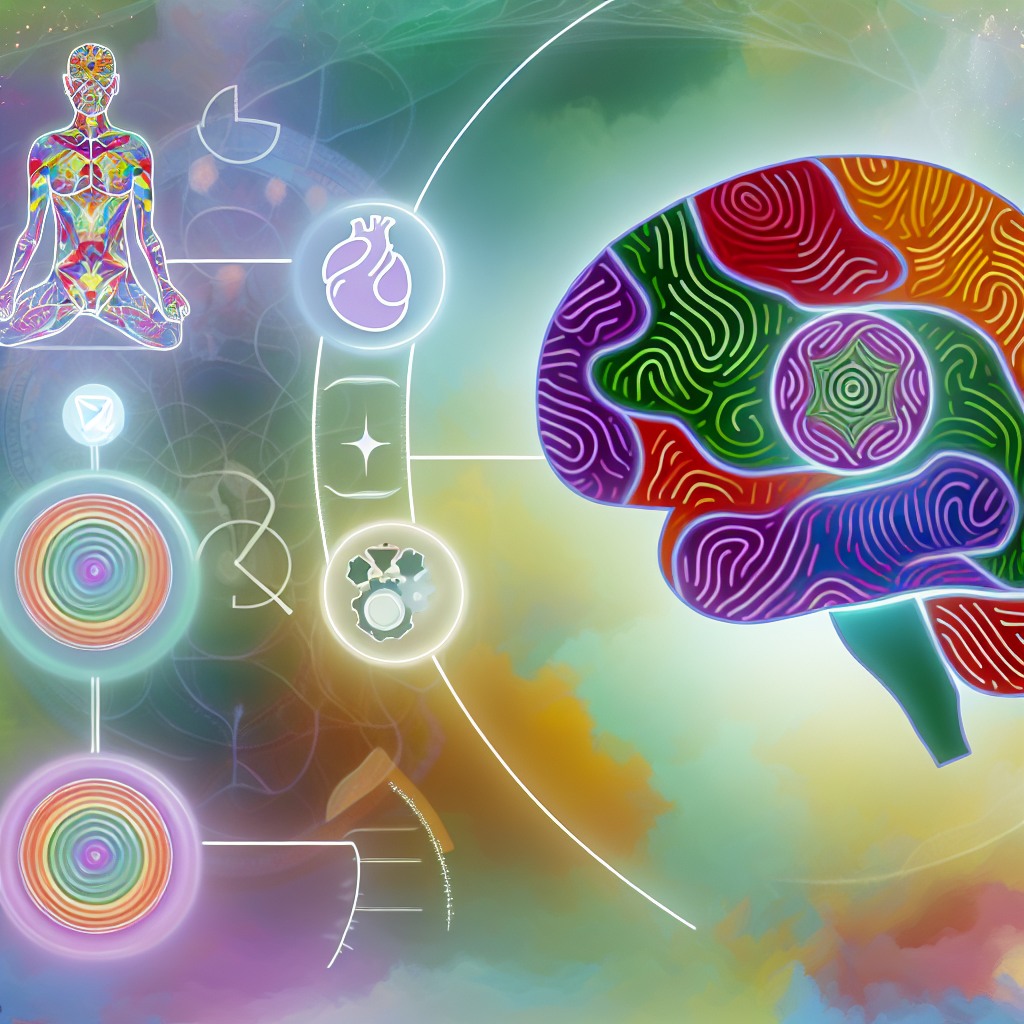
**Neuroplasticity** refers to the brain’s remarkable ability to reorganize itself by forming new neural connections. This ability allows the brain to adapt to new experiences, learn new information, and, crucially, recover from injuries. Recent studies have shown that **psychedelics** can promote neuroplasticity, offering a revolutionary approach to treating chronic pain conditions that have been notoriously resilient to conventional therapies.
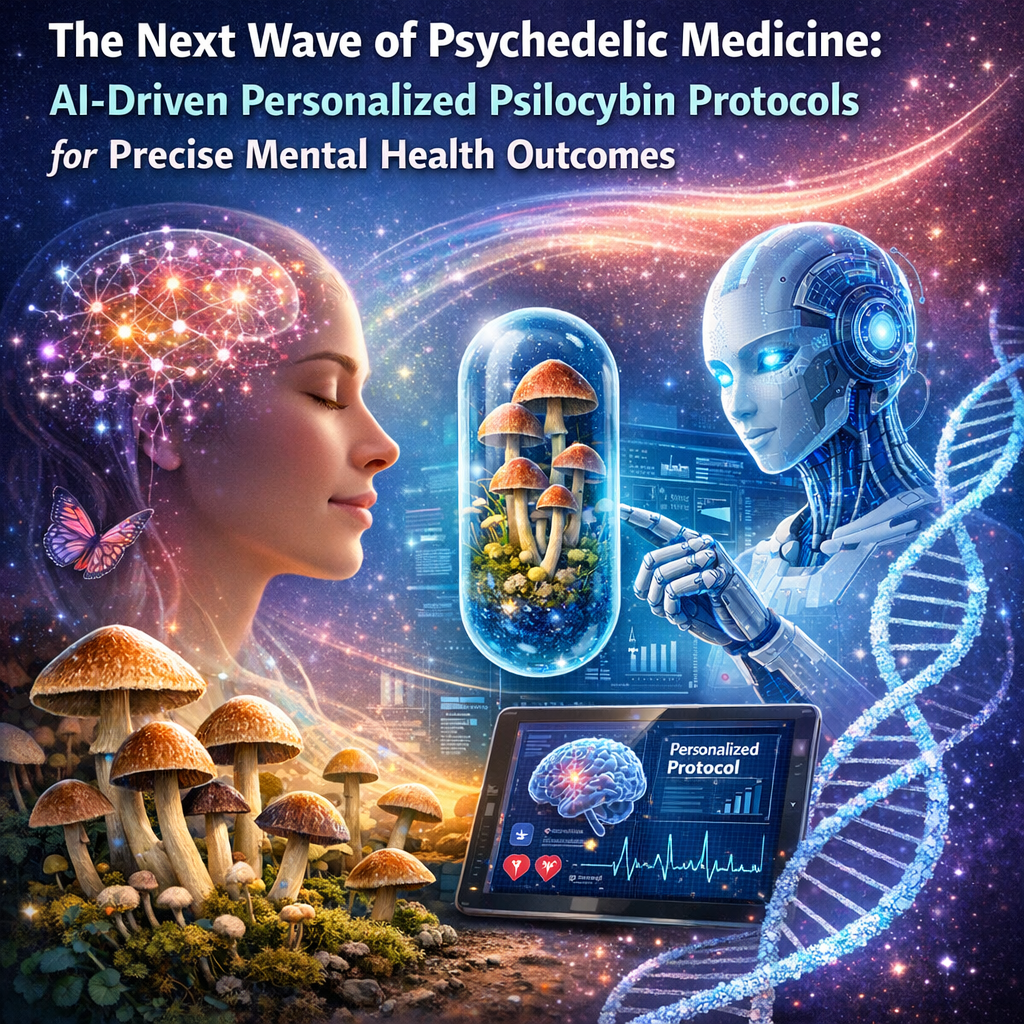
**Psilocybin**, a naturally occurring psychedelic compound found in certain mushrooms, has been gaining attention for its potential in therapeutic applications. When ingested, psilocybin is metabolized into **psilocin**, which interacts with serotonin receptors in the brain. This interaction is thought to initiate a cascade of neurochemical processes that enhance neuroplasticity and may reduce the intensity and perception of pain. Traditional pain management typically aims to suppress pain signals, but psilocybin’s approach is fundamentally different, as it seeks to alter the brain’s perception and response to pain by rewiring neural pathways.
Holistic Benefits of Psychedelic Experiences
Moreover, psychedelic experiences often bring about profound shifts in consciousness and perception, which can contribute to a more holistic understanding of one’s pain. This can lead to reductions in **anxiety** and **depression**, common comorbid conditions with chronic pain, further amplifying the efficacy of psychedelic-assisted therapy.
Given the complex nature of chronic pain, a multifaceted treatment approach is paramount. By potentially rewiring the brain’s response pathways, psilocybin could help patients lower their pain levels and enhance their overall well-being. It’s an exciting frontier, redefining how we think about and treat chronic pain, moving beyond mere alleviation to transformation.
Exploring Scientific Research
In the realm of **scientific research**, several studies have illuminated the promising potential of psychedelics in chronic pain management through neuroplasticity enhancement. For instance, a study published in Frontiers in Human Neuroscience explored the impact of psychedelics on brain plasticity and found significant evidence suggesting enhanced **neurogenesis** and **synaptogenesis** as a result of psychedelic use. The researchers noted increased dendritic growth and spine density, indicating the creation of new neural connections, crucial for adaptive brain function.
Another pivotal study, conducted by researchers at the Beckley Foundation and **Imperial College London**, highlighted psilocybin’s ability to promote both structural and functional changes in the brain. They observed increased connectivity across brain networks, which could lead to altered perception and modulation of pain signals. The study proposed that such changes could diminish the insidious grip of chronic pain by reframing how the brain processes pain-related information [source](https://journals.sagepub.com/doi/full/10.1177/0269881117725918).
**Johns Hopkins University** has also been at the forefront of researching psilocybin’s therapeutic potential. One of their studies focused on treatment-resistant depression, which shares overlapping neural mechanisms with chronic pain conditions. Their findings indicated significant mood improvements and lasting personality changes post-psilocybin treatment, further supporting the potential of psychedelics to induce durable neuroplastic changes crucial for managing chronic pain [source](https://jamanetwork.com/journals/jamapsychiatry/fullarticle/2783747).
These studies underscore the importance of psilocybin and similar psychedelics as tools for brain healing and adaptation. As the scientific community delves deeper into understanding these complex mechanisms, psychedelics could redefine chronic pain management, offering not just symptom relief but profound cognitive and emotional healing.
Conclusion
As the understanding of **psychedelics** and their role in promoting neuroplasticity advances, they emerge as a beacon of hope for **chronic pain** sufferers. By potentially rewiring neural pathways, **psilocybin** offers a fundamentally new approach to pain management, aiming to neurochemically transform rather than merely suppress the experience of pain. Embracing this groundbreaking approach requires continued research and open-mindedness, but the possibilities are as promising as they are transformative, paving the way for a future where chronic pain is not an unavoidable burden but a manageable aspect of life.
**Concise Summary**
Psychedelics, particularly **psilocybin**, show promising potential in enhancing **neuroplasticity** for managing chronic pain. Traditional pain treatments like opioids often have side effects and risk of addiction, while psychedelics offer a revolutionary approach by rewiring the brain’s response to pain and altering perception. Numerous studies indicate psilocybin can foster neural connections, reduce pain perception, and improve mood by enhancing neuroplasticity. This transformative approach offers hope beyond traditional symptom suppression, promising not only relief but potentially profound cognitive and emotional healing for chronic pain sufferers. Continued research and open-mindedness are key to unlocking this potential.

Dominic E. is a passionate filmmaker navigating the exciting intersection of art and science. By day, he delves into the complexities of the human body as a full-time medical writer, meticulously translating intricate medical concepts into accessible and engaging narratives. By night, he explores the boundless realm of cinematic storytelling, crafting narratives that evoke emotion and challenge perspectives. Film Student and Full-time Medical Writer for ContentVendor.com