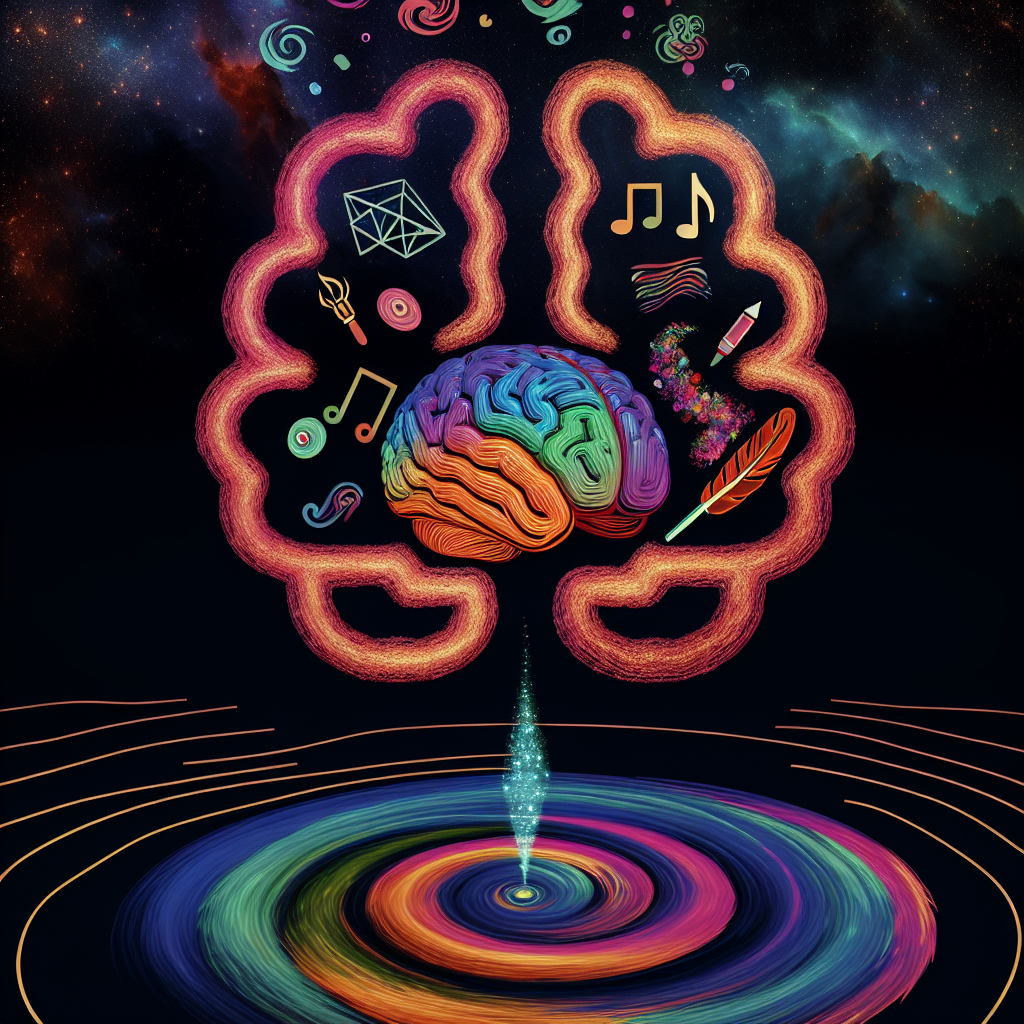
The Neuroscience of Creativity: How Psychedelics Could Revolutionize Innovation and Problem-Solving
The quest for **creativity** has long fascinated scientists, artists, and inventors. As society evolves, so do the methods to tap into unprecedented levels of creativity and **problem-solving**. Recently, **psychedelics** like **psilocybin mushrooms** have emerged as potential cognitive enhancers, fostering enhanced creativity and innovation.
These substances primarily interact with the serotonin system, especially the **5-HT2A receptors** in the prefrontal cortex, promoting heightened sensory perception and opening interconnected mental pathways. This encourages fluid and divergent thinking, often referred to as “out-of-the-box” thinking, which is a hallmark of creative ideation.
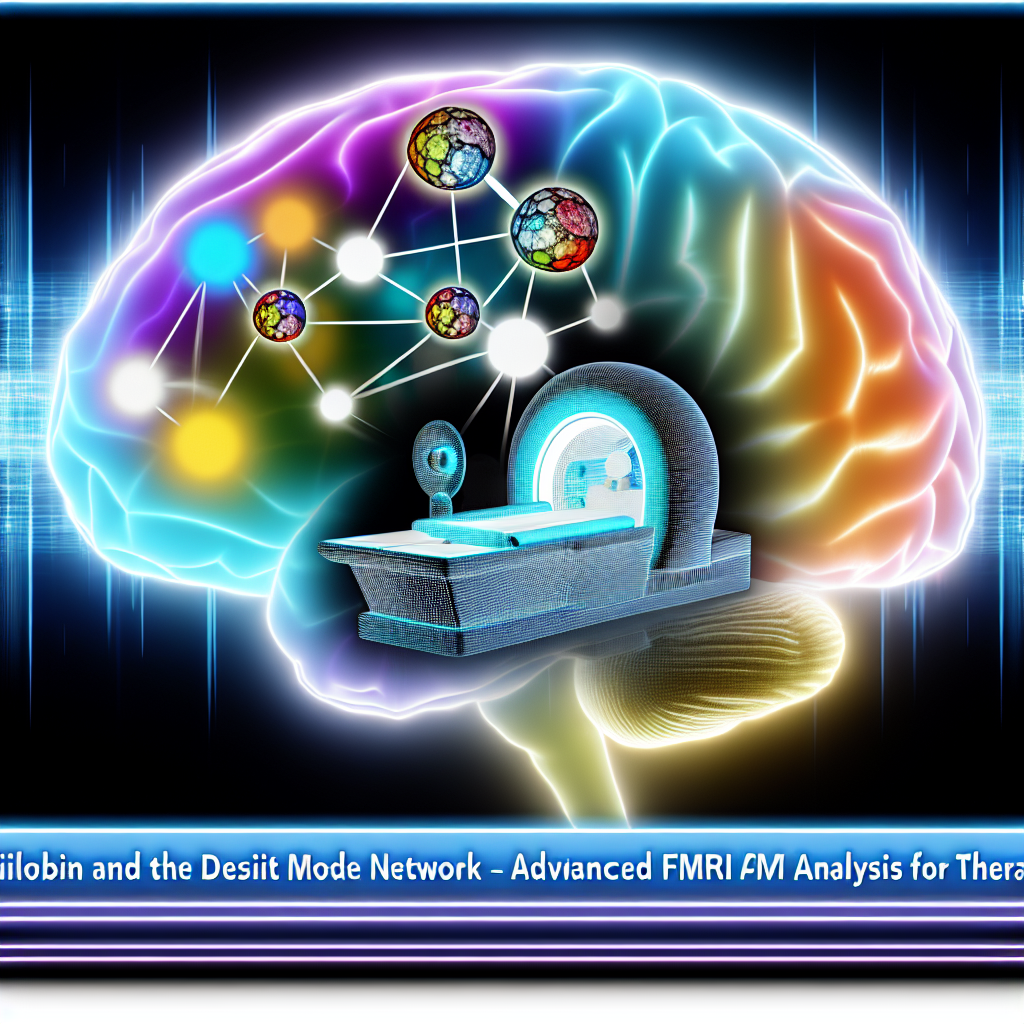
Historically, individuals have reported profound insights from psychedelic experiences. **Psychologist Stanislav Grof** described these as entering new realms of consciousness unrestricted by conventional paradigms. Modern neuroscience, with advanced neuroimaging, quantifies these accounts and supports the hypothesis that psychedelics decrease the activity of the brain’s **default mode network (DMN)**, often a creativity blocker. By reducing the DMN’s activity, psychedelics foster diverse neural engagements, promoting novel associations essential for original ideas and innovative solutions.
The intersection of **neuroscience** and **psychedelia** has piqued interest in exploring psychedelics’ potential to revolutionize innovation and problem-solving. Initial studies suggest that controlled, low-dose psychedelic treatment—**microdosing**—enhances creative problem-solving and executive function without intense perceptual distortions caused by higher doses. If corroborated, psychedelics could offer valuable tools in fields requiring creativity, like technology, design, and scientific research, transforming innovation approaches across domains.
Professional and Medical Studies
The scientific inquiry into the relationship between psychedelics and creativity began in the late 20th century but has recently gained mainstream academic attention. Research by **Robin Carhart-Harris** at **Imperial College London** illustrates psychedelics’ effects on brain activity. **Functional MRI** techniques reveal that psychedelics reduce authoritarian control from the DMN, fostering openness and cognitive flexibility, closely linked to enhanced creativity.
Moreover, a 2018 study published in **Psychopharmacology** observed psychedelics transiently increase **divergent thinking**—the ability to generate multiple solutions. This aligns with many individuals reporting a post-psychedelic surge in creative ideation. A study by the **University of Leiden** found that participants microdosing psilocybin improved both **convergent and divergent thinking**, core components of creativity post-consumption.
A 2020 review linked microdosing with significant improvements in mood, mental health, productivity, and creativity. These findings, conducted with controlled dosages, suggest psilocybin’s effects are not purely psychological but neurophysiological, enhancing the brain’s neuroplasticity to connect complex ideas.
Despite promising results, psychedelics remain **Schedule I substances** under the **Controlled Substances Act** in many countries, including the **United States**. Researchers advocate for reclassifying psychedelics to enable extensive clinical trials. Organizations like **MAPS (Multidisciplinary Association for Psychedelic Studies)** aim to understand psychedelics’ full potential in cognitive, psychological, and medical fields.
Conclusion
As our understanding of the brain grows, so does the potential for psychedelics to alter creativity and problem-solving approaches. Current research indicates psychedelics facilitate meaningful cognitive changes, paving the way for innovative thinking and advanced problem-solving strategies. Their potential to enact change across numerous fields is substantial, symbolizing a frontier of scientific exploration and societal evolution.
References
[1. Psychedelics and Mental Health: A Population Study – Published in the Journal of Psychopharmacology](https://journals.sagepub.com/doi/10.1177/0269881116675511)
[2. Psilocybin with psychological support for treatment-resistant depression: six-month follow-up – Published in Psilocybin Pilot Study](https://journals.sagepub.com/doi/10.1177/0269881117735686)
[3. LSD enhances suggestibility in healthy volunteers – Published in Psychopharmacology](https://link.springer.com/article/10.1007/s00213-014-3663-4)
[4. Psychedelics and connectivity in the brain – Published in Nature Scientific Reports](https://www.nature.com/articles/s41598-017-13282-2)
**Concise Summary:**
Recent studies suggest psychedelics like **psilocybin mushrooms** could revolutionize **creativity** and **problem-solving** by influencing the brain’s serotonin system and reducing activity in the **default mode network**. This fosters divergent thinking and novel associations, critical for innovative ideation. Despite the potential, psychedelics are still **Schedule I** substances in many countries, impeding broad clinical research. Advocates are pushing for reclassification to explore their full potential in **cognitive, psychological**, and **medical fields**. Experiments with **microdosing** show enhanced creativity and executive functions, potentially transforming approaches in creative industries.

Dominic E. is a passionate filmmaker navigating the exciting intersection of art and science. By day, he delves into the complexities of the human body as a full-time medical writer, meticulously translating intricate medical concepts into accessible and engaging narratives. By night, he explores the boundless realm of cinematic storytelling, crafting narratives that evoke emotion and challenge perspectives. Film Student and Full-time Medical Writer for ContentVendor.com