Psychedelics and AI Revolutionizing Personalized Mental Health Treatment Protocols
**Introduction:**
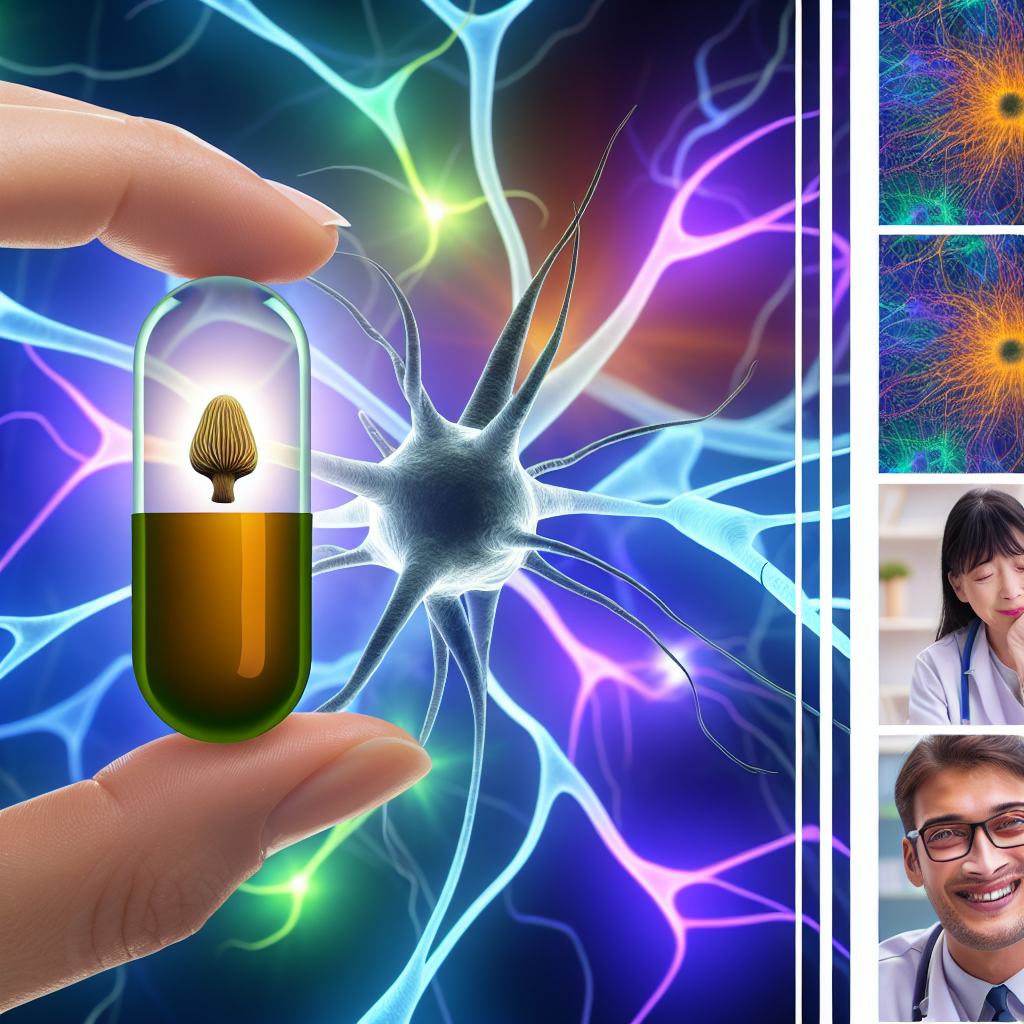
In recent years, the conversation about **mental health treatment** has expanded beyond traditional methods to explore new, groundbreaking avenues. Among these innovative approaches, **psychedelics**—and particularly **psilocybin**—are gaining significant attention for their **therapeutic potential**. Meanwhile, advancements in **artificial intelligence (AI)** are rapidly transforming the way **personalized treatment protocols** are developed. The intersection of **psychedelics** and **AI** offers a fresh perspective on tackling **mental health issues** like **depression**, **anxiety**, **PTSD**, and more.
**Psychedelics** have long been associated with **spiritual awakening** and **consciousness expansion**, but recent research is shedding light on their potentially transformative effects in treating **mental health disorders**. **Psilocybin**, the active compound in **magic mushrooms**, is leading the charge with a growing body of research supporting its efficacy. When used in controlled settings and combined with **psychotherapy**, **psilocybin** has shown promise in treating **treatment-resistant depression**, **anxiety**, and **PTSD**. Its ability to foster **neuroplasticity** and promote new neural connections is at the heart of its therapeutic potential.
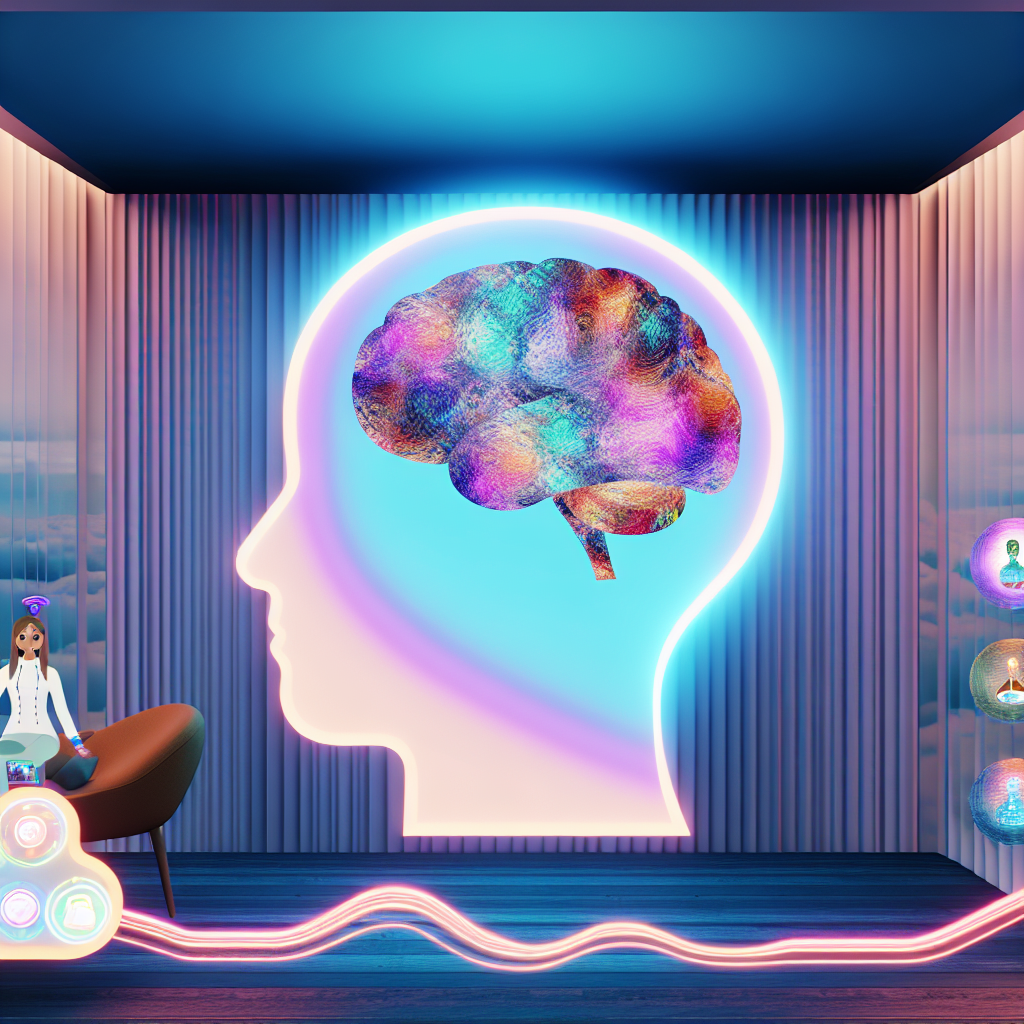
Simultaneously, **AI** is revolutionizing the healthcare landscape by enabling more precise and personalized approaches to treatment. **Machine learning algorithms** can analyze vast amounts of data to identify patterns and predict outcomes. In mental health care, **AI** can provide insights into individual patient needs, allowing for tailored treatment plans that are more effective and efficient. By integrating **AI** with **psychedelic therapy**, practitioners can harness data-driven insights to optimize treatment protocols, thus maximizing the therapeutic benefits for each patient.
Together, **psychedelics** and **AI** represent a promising frontier in mental health care, where science, technology, and ancient wisdom converge to offer more comprehensive and personalized treatment options. This integrated approach holds the potential to revolutionize how **mental health disorders** are treated, providing patients with hope and healing in ways previously unimaginable.
**Features:**
Several professional and medical studies underscore the potential of combining **psychedelics** and **AI** in mental health treatment. A pivotal study conducted by **Johns Hopkins Medicine** found that **psilocybin-assisted therapy** resulted in significant reductions in symptoms of **depression** and **anxiety** in patients with life-threatening cancer ([Johns Hopkins Medicine](https://www.hopkinsmedicine.org), 2020). This research is part of an expanding field that supports the use of **psychedelics** in clinical settings, emphasizing the need for personalized treatment approaches to maximize efficacy and minimize potential risks.
In parallel, **AI** is enhancing our ability to personalize treatment protocols. A recent study published in *Nature Medicine* demonstrated how **machine learning models** could accurately predict the effectiveness of **depression treatments** by analyzing brain imaging data ([Nature Medicine](https://www.nature.com/naturemedicine), 2021). These predictive models allow healthcare providers to tailor interventions to individual patients, rather than relying on a one-size-fits-all approach. By understanding which treatment modalities are likely to work best for a given patient, providers can enhance outcomes and reduce the trial-and-error typically associated with **mental health treatment**.
The synergy between **psychedelics** and **AI** lies in their complementary strengths. While **psychedelics** like **psilocybin** can facilitate profound changes in consciousness and catalyze psychological insights, **AI** can provide the data-driven framework to guide and enhance these experiences. For instance, **AI** could help determine the optimal dose of **psilocybin**, the ideal therapeutic setting, or the type of **psychotherapy** to pair with **psychedelic treatment** based on a patient’s unique psychological profile.
Moreover, **AI-driven tools** can monitor patients’ progress and adjust protocols in real-time, providing a level of responsiveness and precision that is likely to improve long-term outcomes. This integrated approach not only promises more personalized and effective treatment strategies but also opens avenues for ongoing research and innovation in mental health care.
**Conclusion:**
As we continue to explore the intersection of **psychedelics** and **AI** in **mental health treatment**, it’s clear that we are on the brink of a new era in personalized medicine. By combining the transformative power of **psychedelics** with the precision of **AI**, we can offer patients more effective and personalized treatment protocols. The future of **mental health care** is promising, with the potential for improved outcomes and a better understanding of the complexities of the human mind.
**Concise Summary:**
The emerging intersection of **psychedelics** and **AI** is revolutionizing mental health treatment by offering personalized protocols that address complex disorders like **depression**, **anxiety**, and **PTSD**. **Psychedelics** like **psilocybin** show significant promise, fostering neuroplasticity and enhancing psychotherapy outcomes. Concurrently, **AI** empowers clinicians to create customized treatment plans by analyzing extensive datasets to predict patient responses. This synergy enhances therapeutic precision, potentially transforming mental health care by reducing trial-and-error approaches and improving patient outcomes through data-driven insights and real-time monitoring.
**References:**
– Johns Hopkins Medicine. (2020). [Johns Hopkins researchers find psilocybin reduces existential distress in people with life-threatening cancer.](https://www.hopkinsmedicine.org)
– Nature Medicine. (2021). [AI predicts which depression therapies will really work.](https://www.nature.com/naturemedicine)

Dominic E. is a passionate filmmaker navigating the exciting intersection of art and science. By day, he delves into the complexities of the human body as a full-time medical writer, meticulously translating intricate medical concepts into accessible and engaging narratives. By night, he explores the boundless realm of cinematic storytelling, crafting narratives that evoke emotion and challenge perspectives. Film Student and Full-time Medical Writer for ContentVendor.com