Why Fungi Might Be the Blueprint for Post-AI Brain-Computer Interfaces
Introduction
In the dawn of the **AI era**, the intersection between **biology** and **technology** is becoming an exciting frontier of research and development. Among the various natural entities being explored, **fungi** emerge as fascinating contenders, particularly in the creation of post-AI **brain-computer interfaces** (BCIs). While **fungal organisms** have historically drawn attention for their **ecological roles** and unique survival mechanisms, their cognitive and structural properties are now sparking curiosity within the technological domain.
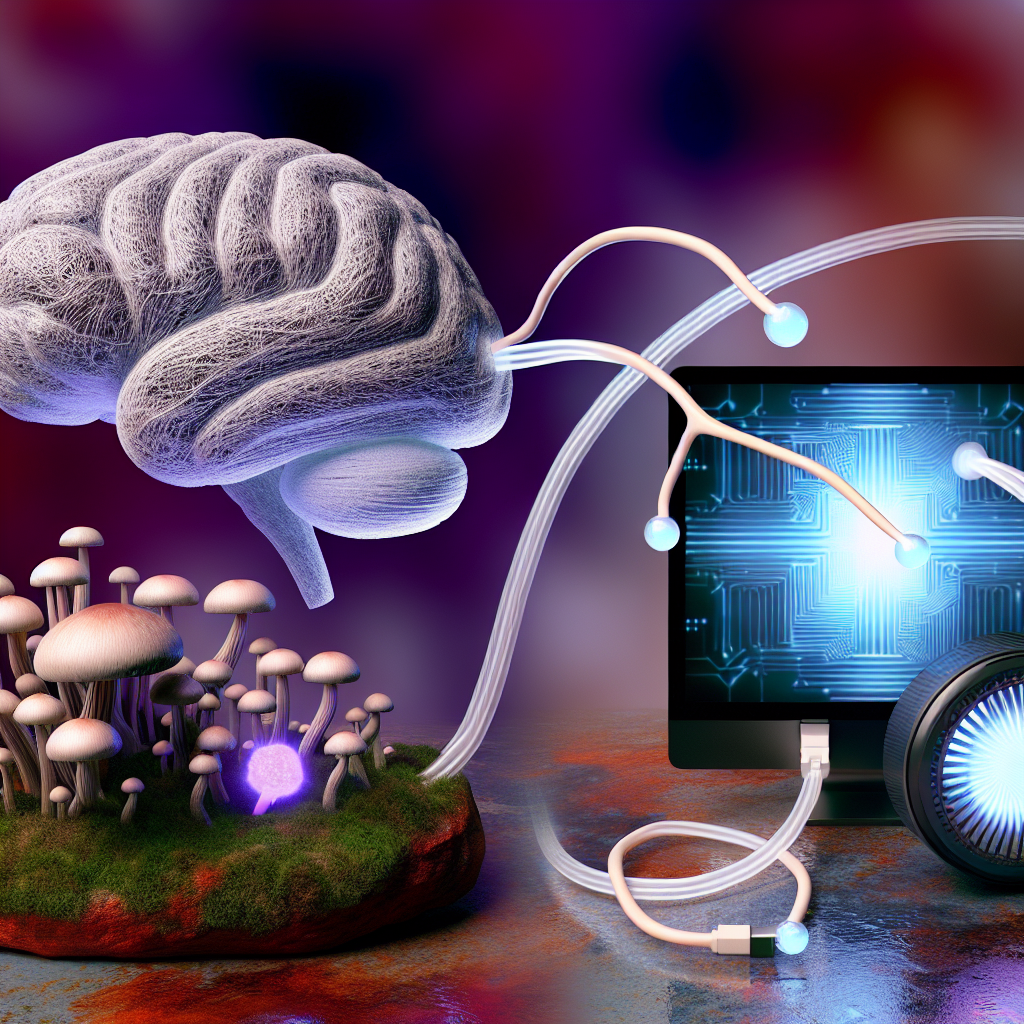
**Fungi** are incredibly adaptive and resilient, features that resonate with the requirements for innovative **BCIs**. Unlike traditional silicon-based circuits, which are rigid and susceptible to damage, **mycelium networks**—the root-like structures of fungi—demonstrate a remarkable ability to **self-organize, repair**, and efficiently **process information**. These properties have drawn parallels to the **neural pathways** in the **human brain**, opening up a realm of possibilities where **fungi-inspired systems** could potentially enhance or even redefine the ways in which **BCIs** function.
Moreover, recent studies have illustrated the intricate **signaling networks** within fungi, showcasing an ability to transmit information across vast distances. This decentralized processing feature hints at the potential for creating **BCIs** that are not only robust and adaptable but also capable of complex, parallel processing akin to **human cognition**. As **AI** continues to evolve, the need to foster seamless communication between **human neural systems** and **digital platforms** becomes more pressing, and fungi might just hold the key to this challenge.
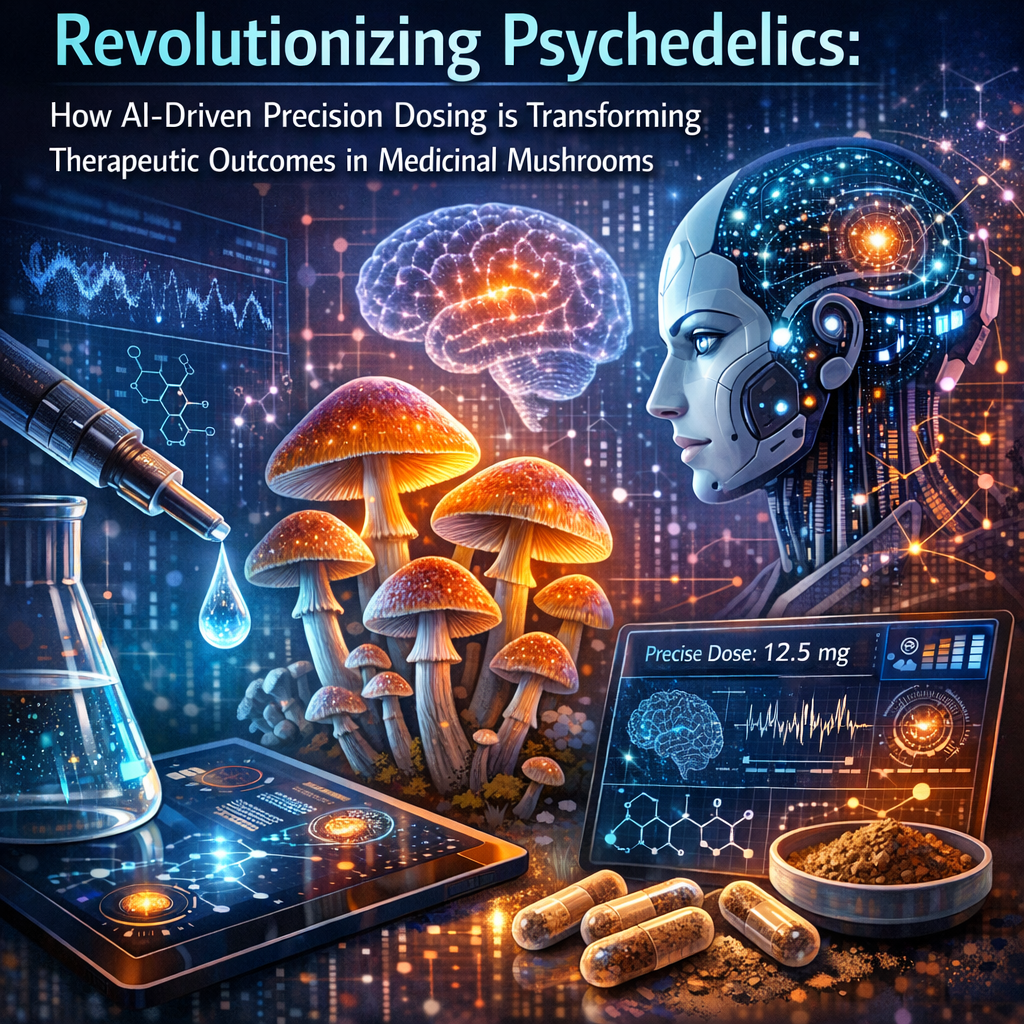
In addition, the exploration of **psilocybin**, a **psychoactive compound** found in certain fungi, has gained momentum in understanding its effects on **neuroplasticity** and **cognitive enhancement**. The implications of these findings underscore the potential of incorporating fungal elements not only into therapeutic applications but also into the technological landscape of **BCIs**. Thus, these mushrooms may not only aid in mental health treatments but could also contribute to evolving the fabric of how our minds interact with machines.
Features
Scientific exploration into **fungi** has unveiled several properties that make them prime candidates for influencing future **BCI** designs. A study published in the journal [“Fungal Biology Reviews”](https://www.journals.elsevier.com/fungal-biology-reviews) discussed the resilience and regenerative capabilities of **mycelium networks**, which mimic neural pathways in humans. These networks exhibit a behavior known as “intelligent routing,” where they can adapt to environmental changes by rerouting their internal communication pathways. This self-correcting mechanism is extremely beneficial for creating **BCIs** that require robustness and flexibility.
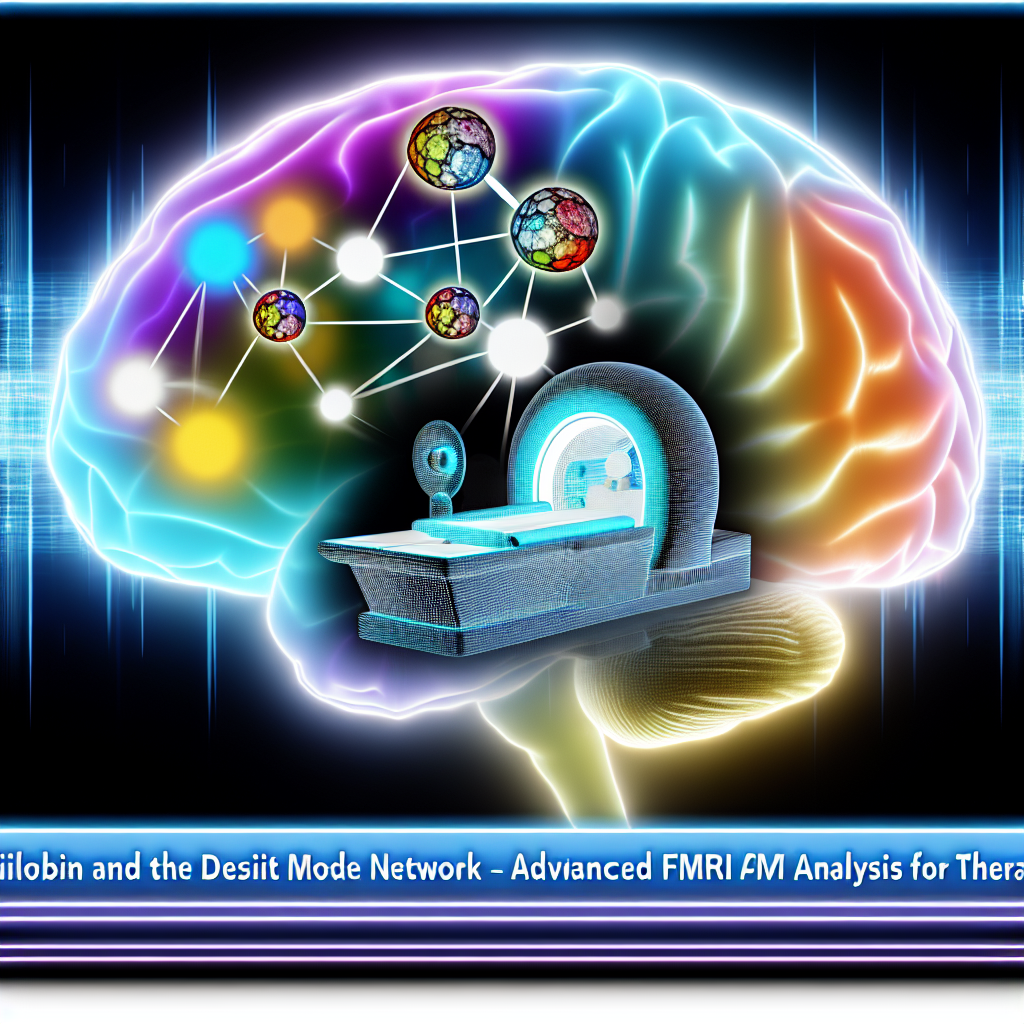
In addition to structural similarities with neural networks, certain fungi produce substances impacting neural activity. **Psilocybin**, a compound found in psychedelic mushrooms, has gained particular attention due to its potential to rewire the brain by promoting **neurogenesis** and enhancing **synaptic plasticity**. A study featured in [“The New England Journal of Medicine”](https://www.nejm.org) showcased the ability of psilocybin to reduce depressive symptoms and improve emotional processing by modifying brain activity. This finding not only highlights the therapeutic applications of fungi but also their potential role in augmenting the cognitive capabilities of **BCIs**.
Additionally, the field of biomimicry has begun to examine the unique properties of fungi for material science applications. For instance, the ability of **mycelium** to form strong, lightweight, and flexible structures has inspired researchers to consider it for constructing **BCIs** that are more adaptable to the organic environment of the human body. The self-assembled and biodegradable characteristics of mycelium offer a sustainable and eco-friendly alternative to conventional electronic materials, a crucial consideration in the design of future interfaces.
Conclusion
As we transcend the conventional realms of technology and step into the integration of **biological systems** with **artificial intelligence**, fungi might just offer a blueprint for creating more effective and harmonious **brain-computer interfaces**. Their capacity to dynamically process information and promote cognitive enhancements paves the way for breakthroughs that could significantly elevate the synergy between humans and technology. The mysteries contained within these ancient organisms are only beginning to unfurl, promising a future where merging minds and machines could be both sustainable and revolutionary.
References
1. Fungal Biology Reviews. Intelligent routing in mycelium networks: [Fungal Biology Reviews](https://www.journals.elsevier.com/fungal-biology-reviews).
2. The New England Journal of Medicine. Psilocybin impact on neural pathways: [New England Journal of Medicine](https://www.nejm.org).
**Concise Summary:** The integration of **fungi** into the design of post-AI **brain-computer interfaces** (BCIs) is promising due to their adaptability, resilience, and complex signaling networks akin to **neural pathways**. Fungi’s unique properties, such as **self-organization** and **neuroplasticity** induced by **psilocybin**, could significantly enhance BCIs’ robustness, adaptability, and cognitive capabilities. As technology seeks more sustainable materials, **mycelium’s** strong, lightweight, and eco-friendly characteristics present opportunities for innovative BCI designs, offering a harmonious integration between biological systems and technology, enhancing human-digital interactions.

Dominic E. is a passionate filmmaker navigating the exciting intersection of art and science. By day, he delves into the complexities of the human body as a full-time medical writer, meticulously translating intricate medical concepts into accessible and engaging narratives. By night, he explores the boundless realm of cinematic storytelling, crafting narratives that evoke emotion and challenge perspectives. Film Student and Full-time Medical Writer for ContentVendor.com