The Hidden ROI of Psychedelic Integration: Why Investors Are Missing the Real Exit Strategy
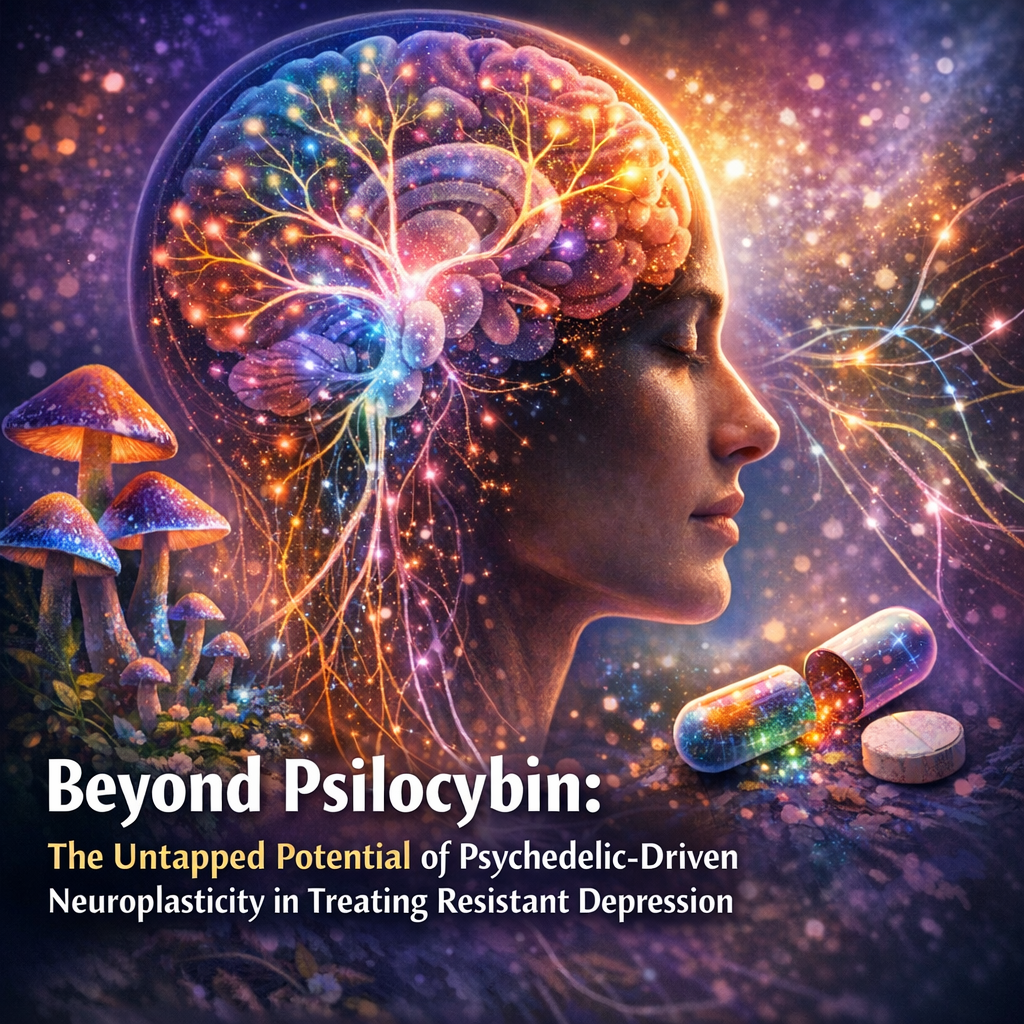
The global interest in **psychedelics**, particularly **psilocybin**, has seen a steep ascent in recent years. As the world begins to shed historical stigmas attached to psychedelic substances, an increasing number of investors are drawn to the burgeoning industry with the promise of significant returns. However, many investors may be overlooking a critical aspect that holds the potential for a greater return on investment (ROI) than monetary gains alone—**psychedelic integration**. Understanding how psychedelic integration into therapeutic settings offers vast opportunities, not just financially, but also in terms of societal impact, may redefine what we perceive as the exit strategy.
At its core, psychedelic integration involves the process of making sense of, and deriving meaning from, **psychedelic experiences** within therapeutic or supportive environments. It’s an essential component within the framework of using psychedelics for mental health treatment. The significance of integration transcends the mere momentary benefits observed in clinical settings. Rather, it facilitates enduring changes in **thought patterns**, emotional well-being, and overall mental health.
**Psychedelic integration** is not just a therapeutic revelation; it presents a compelling investment opportunity for forward-thinking investors. As psychedelics gain more traction in medical fields, companies focusing on psychedelic integration foster broader application strategies that align with long-term societal shifts toward holistic and transformative healthcare solutions. These companies promise longevity and sustained impact, appealing to an emerging class of investors interested in health innovation.
Psychedelics, primarily psilocybin, are now the subject of significant research. Studies conducted by esteemed institutions like **Johns Hopkins Medicine** have shown promising results, evidencing that psilocybin can effectively reduce symptoms of depression, anxiety, and PTSD when integrated into psychotherapeutic processes. As such, these studies highlight the potential of psychedelics as powerful therapeutic tools. The real exit strategy—an emphasis on developing **psychedelic integration practices**—not only secures financial returns but can transform the healthcare landscape while addressing mental health crises on a global scale.
Understanding the medical validation behind this is key. The **Multidisciplinary Association for Psychedelic Studies (MAPS)** has been pivotal in studying the effects of such therapies. Their work underscores that therapeutic benefits are maximized when psilocybin usage is paired with expert guidance and integration. This shift towards acceptance among medical professionals that integration is a necessity rather than an option is crucial in pushing the market forward. Indeed, the integration aspect holds as much promise as the psilocybin itself because it ensures the sustainable implementation of psychedelic treatments, ultimately leading to more effective health outcomes.
Clinical trials continue to emphasize integration as a main driver of positive outcomes in psychedelic therapy. For example, a study published in the **Journal of Psychopharmacology** revealed that patients engaged in therapy sessions before and after psilocybin administration reported significantly greater long-term improvements in mental health outcomes compared to those who did not undergo integration sessions. This reinforces the idea that the therapeutic process does not end with the psychedelic experience, but rather it finds its culmination in the proper integration practices.
In conclusion, the potential for ROI on psychedelic integration lies beyond traditional financial metrics. It can redefine an entire industry and improve public health on a broad and impactful scale. Investors seeking to venture into this promising space should therefore prioritize psychedelic integration, not just as a moneymaking venture, but as a driver of long-term positive societal change. The spotlight has slowly begun to shift toward the necessity of integration, and those who recognize and invest in its potential now may find themselves at the forefront of the future of healthcare innovation.
References:
1. [Johns Hopkins Medicine. “Psychedelics: Risks and Benefits.”](https://www.hopkinsmedicine.org/psychiatry/research/psychedelics-research.html)
2. [Multidisciplinary Association for Psychedelic Studies (MAPS). “Psychedelic Science.”](https://maps.org/research/psilocybin/)
3. [Journal of Psychopharmacology. “Psilocybin with psychological support for treatment-resistant depression: six-month follow-up.”](https://journals.sagepub.com/doi/10.1177/0269881116675513)
**Concise Summary:**
Interest in psychedelics, specifically psilocybin, is rising due to its significant therapeutic potential. Investors are increasingly drawn to this industry but may overlook the critical aspect of psychedelic integration, which offers greater ROI beyond finances—impacting societal health. Integration aids in deriving meaningful outcomes from psychedelic experiences and promises enduring changes in mental health. Supported by research from institutions such as Johns Hopkins and MAPS, integration is seen as essential for maximizing therapeutic benefits and transforming healthcare, making it a pivotal focus for investors seeking long-term societal impact.

Dominic E. is a passionate filmmaker navigating the exciting intersection of art and science. By day, he delves into the complexities of the human body as a full-time medical writer, meticulously translating intricate medical concepts into accessible and engaging narratives. By night, he explores the boundless realm of cinematic storytelling, crafting narratives that evoke emotion and challenge perspectives. Film Student and Full-time Medical Writer for ContentVendor.com