“`html
Why Psychedelics Should Be Regulated Like Medical Devices, Not Substances
Introduction:
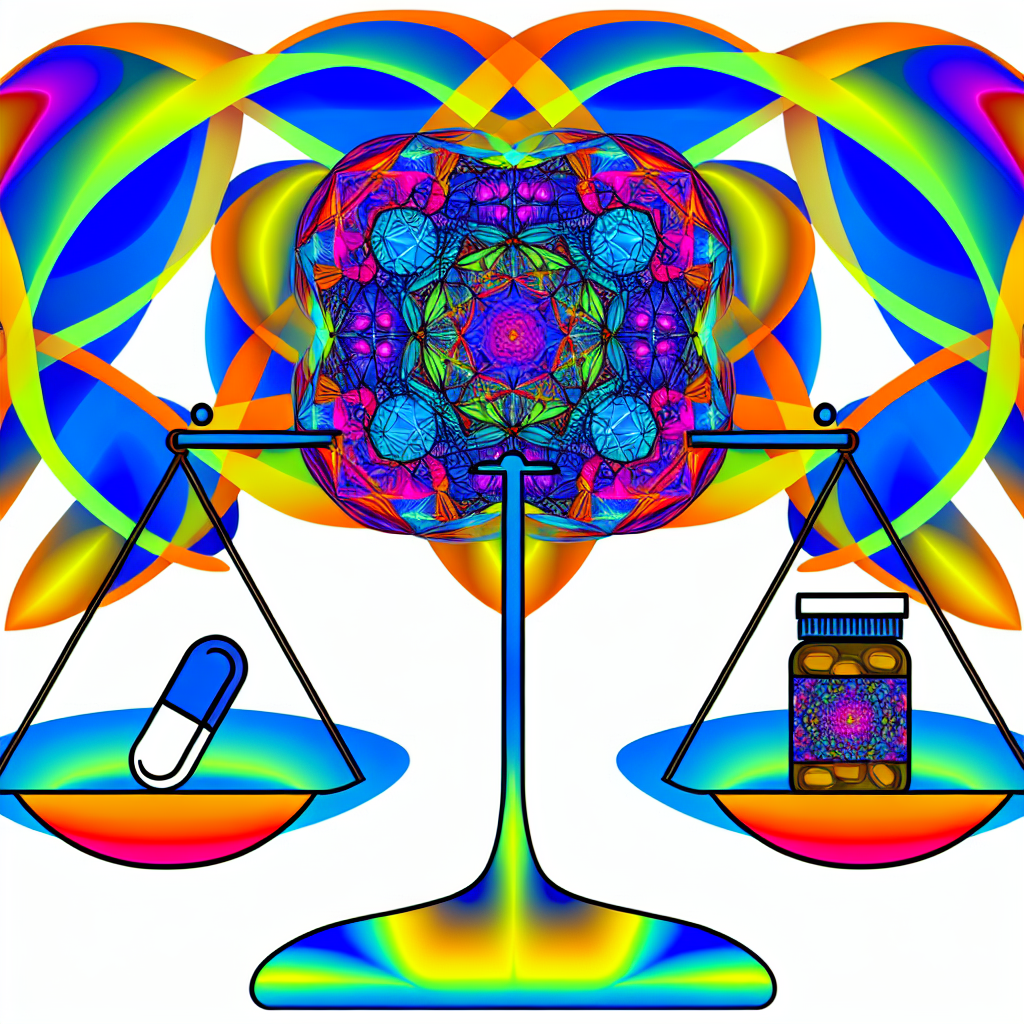
In recent years, the conversation surrounding **psychedelics** has shifted from one of cautionary tales and legal prohibitions to a burgeoning interest in their potential **therapeutic applications**. Substances like **psilocybin**, **LSD**, and **MDMA** are emerging from the shadows of the counterculture movement of the 1960s and stepping into the spotlight of modern **clinical research**. However, the traditional framework for regulating these substances—as illicit drugs—may not serve their newfound purpose in **mental health treatment** and beyond. Instead, many experts argue that **psychedelics** should be regulated akin to **medical devices**, focusing on their therapeutic application, precision, and personalized application, rather than simply their chemical composition.
**Medical devices**, unlike pharmaceuticals, are regulated based on their intended purpose and the potential benefits they may provide to patients. This is a fundamentally different approach from how **psychoactive substances** have traditionally been governed—by focusing primarily on the potential for abuse and dependency. Given that **psychedelics** are now being scrutinized for their capacity to produce profound and beneficial psychological experiences, their **regulatory framework** should reflect this shift.
The precision and control with which **psychedelics** are administered in **clinical settings** resemble the rigorous standards applied to **medical devices** rather than the one-size-fits-all model typical of substance regulation. Psychedelics require careful dosing, set, and setting—concepts that run parallel to the personalized application of medical tools. This approach would involve detailed protocols and training similar to specialized medical treatments, ensuring that the right **therapeutic outcomes** are achieved safely.
Moreover, the regulation of **psychedelics** like **medical devices** could also streamline access for research purposes, enabling further studies on their potential benefits and risks. This innovative approach seeks to harness the therapeutic potential of **psychedelics** while minimizing dangers, allowing these substances to be integrated responsibly into modern therapeutic paradigms.
Features:
A pivotal feature of the argument for regulating **psychedelics** like **medical devices** is the growing body of scientific evidence supporting their **therapeutic potential**. In recent years, several high-profile medical studies have spotlighted the **efficacy of psychedelics** in treating various mental health conditions. One such study conducted by Johns Hopkins University found that **psilocybin-assisted therapy** produced significant reductions in anxiety and depression among patients with life-threatening cancer diagnoses.
Similarly, a breakthrough study published in the “New England Journal of Medicine” demonstrated that **psilocybin** was as effective, if not more so, than traditional **antidepressants** in treating **major depressive disorder** (Carhart-Harris et al.). Participants in the study reported improved well-being and emotional regulation following controlled** psilocybin **sessions, effects that were rigorously measured against those of patients treated with existing pharmacological options.
Furthermore, the Multidisciplinary Association for Psychedelic Studies (MAPS) has been at the forefront of research into **MDMA-assisted therapy**, particularly for **post-traumatic stress disorder (PTSD)**. In phase 3 clinical trials, **MDMA-assisted psychotherapy** has shown promise in significantly reducing **PTSD symptoms**, offering hope to individuals who have not responded to traditional therapeutic approaches.
These studies underscore the necessity of an innovative regulatory approach. The personalized and guided nature of **psychedelic therapy** closely mirrors that of treatments involving cutting-edge **medical devices and procedures**, which involve precision application and continuous monitoring to ensure safety and efficacy. Regulation designed to encompass these factors—emphasizing clinical setting, practitioner training, and personalized patient care—would equip **psychedelics** as tools to address specific medical conditions thoughtfully and intentionally.
Conclusion:
Reevaluating the regulation of **psychedelics** with a **medical devices lens** acknowledges their unique **therapeutic capacities** and addresses their safety and efficacy requirements. As we stand on the cusp of a **mental health revolution**, pioneering frameworks that integrate scientific rigor with transformative therapy can help unlock the full potential of **psychedelics**.
Concise Summary:
The article advocates for the regulation of **psychedelics** like **medical devices** instead of traditional substances. This approach considers their therapeutic potential in treating mental health conditions, as highlighted by recent studies. Treating psychedelics with the precision of medical devices could improve safety, personalize care, and expedite research. This regulatory shift could better harness psychedelics’ transformative therapy capabilities, crucial for modern mental health treatment.
References:
1. Johns Hopkins Medicine
2. The New England Journal of Medicine (Carhart-Harris et al.)
3. Multidisciplinary Association for Psychedelic Studies
“`

Dominic E. is a passionate filmmaker navigating the exciting intersection of art and science. By day, he delves into the complexities of the human body as a full-time medical writer, meticulously translating intricate medical concepts into accessible and engaging narratives. By night, he explores the boundless realm of cinematic storytelling, crafting narratives that evoke emotion and challenge perspectives. Film Student and Full-time Medical Writer for ContentVendor.com