Citizen Science Initiatives for Psilocybin – Contributing to Decentralized Research
**Introduction**
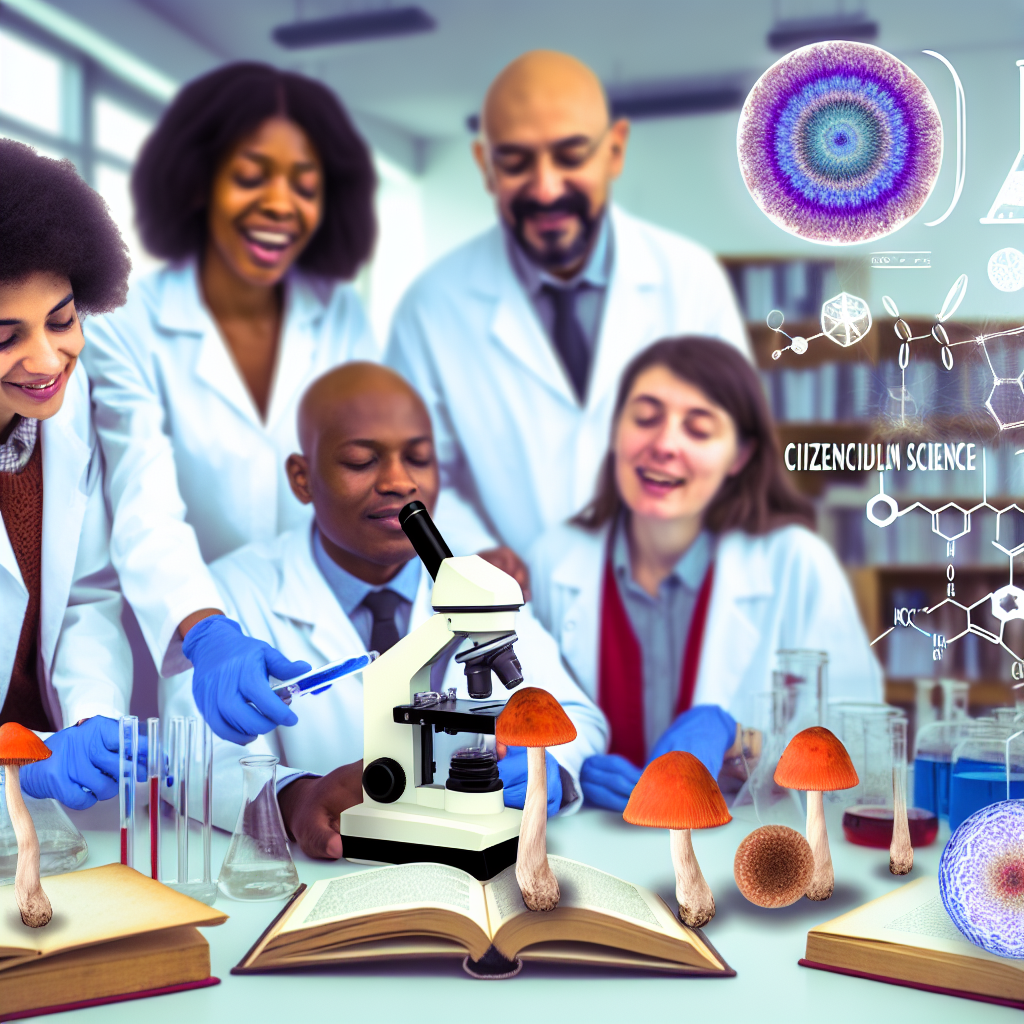
Citizen science empowers everyday people to participate in research and discovery, breaking down the traditional barriers between professional researchers and the public. In the context of **psilocybin**—a compound in psychoactive mushrooms with potential therapeutic benefits for mental health conditions like **depression**, **anxiety**, **PTSD**, and **addiction**—this democratization is crucial. Legal and bureaucratic restrictions have historically limited comprehensive research, but **citizen science** enables a decentralized approach. By mapping mushroom habitats and sharing personal experiences, individuals worldwide contribute to data collection, analysis, and dissemination.
Online forums, educational websites, and app-based platforms are conduits for this decentralized method of research, reflecting a shift towards open and inclusive science.
Features
Professional studies, such as those at **Johns Hopkins University**, strengthen the credibility of psilocybin’s potential benefits. These controlled studies highlight psilocybin’s efficacy, particularly for patients unresponsive to conventional treatments. Research reveals that psilocybin may promote new neural pathways, fostering lasting therapeutic changes in brain function (see [Johns Hopkins Medicine](https://www.hopkinsmedicine.org/psychiatry/research/psilocybin.html)).
Moreover, research published in the [“Journal of Psychopharmacology”](https://journals.sagepub.com/home/jop) confirms psilocybin’s safety under controlled conditions. This supports public efforts and helps validate citizen scientists’ observations. Initiatives like the **Global Drug Survey** have collected user-reported data worldwide, offering insights into personal experiences and informing regulatory considerations ([Global Drug Survey](https://www.globaldrugsurvey.com/)).
Organizations like the **Multidisciplinary Association for Psychedelic Studies (MAPS)** integrate citizen science, demonstrating how professional expertise and public contributions create a symbiotic relationship fostering innovation in psilocybin research ([MAPS](https://maps.org/)).
Conclusion
The synergy of citizen science and psilocybin research represents an evolving scientific landscape, providing opportunities for public engagement and therapeutic advances. As these decentralized initiatives grow, they promise to enhance traditional methodologies with diverse perspectives and expanded data. The collaborative spirit of including citizen scientists marks a future where everyone participates in unlocking the potential benefits of psilocybin.
**Summary**
Citizen science is revolutionizing psilocybin research by enabling non-professionals to participate actively in scientific exploration. This approach is pivotal due to the compound’s potential therapeutic benefits and existing research barriers. Decentralized platforms collect diverse data, supporting professional studies and regulatory considerations. By integrating public input, organizations like MAPS propel psilocybin research forward, reflecting a collaborative spirit in scientific discovery.
**References**
– [Johns Hopkins Medicine](https://www.hopkinsmedicine.org/psychiatry/research/psilocybin.html)
– [Journal of Psychopharmacology](https://journals.sagepub.com/home/jop)
– [Global Drug Survey](https://www.globaldrugsurvey.com/)
– [MAPS](https://maps.org/)

Dominic E. is a passionate filmmaker navigating the exciting intersection of art and science. By day, he delves into the complexities of the human body as a full-time medical writer, meticulously translating intricate medical concepts into accessible and engaging narratives. By night, he explores the boundless realm of cinematic storytelling, crafting narratives that evoke emotion and challenge perspectives. Film Student and Full-time Medical Writer for ContentVendor.com